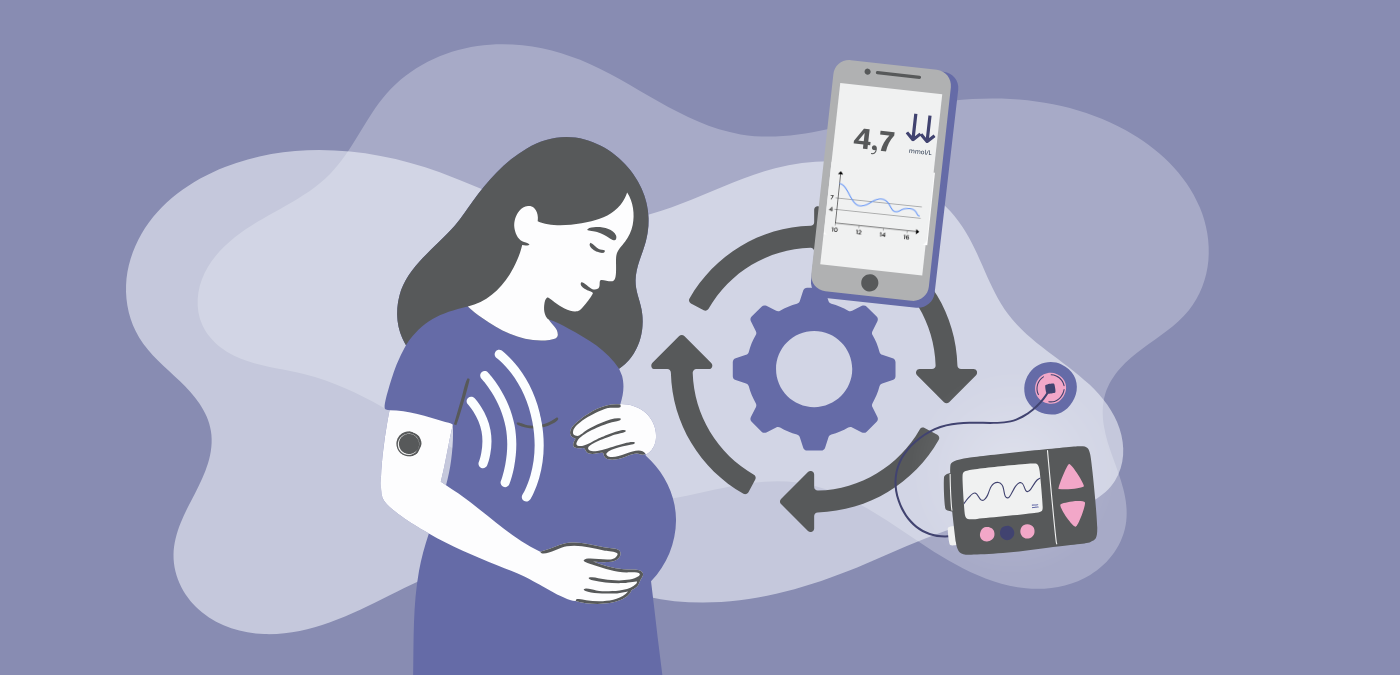
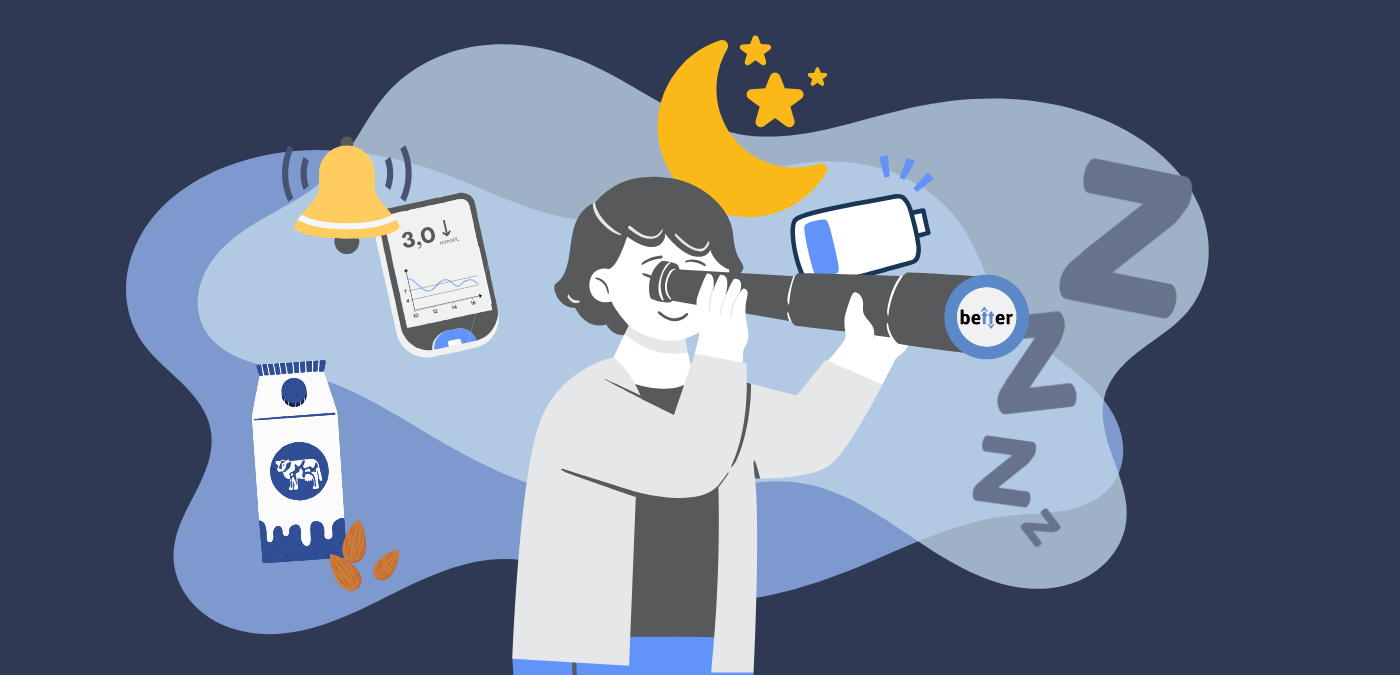
Sleep is essential not only to physical and mental health, but also to quality of life. People living with type 1 diabetes (T1D) often see their sleep disturbed, for instance, by hypo– or hyperglycemia symptoms or continuous glucose monitor (CGM) alarms set off by highly fluctuating blood sugar levels. Some of these interruptions require the person to get up in middle of the night and fix the situation.
The results of our past research point to adults living with diabetes being more at risk of having poor sleep quality than the general population. However, few large studies have looked specifically into the sleep quality of adults living with T1D in Canada. We have analyzed BETTER registry data to fill this gap and better understand what factors influence sleep quality in this population.
Poor sleep quality is frequent
Close to half (47.3%) of 1,322 adults living with T1D who answered questions regarding sleep said they experienced poor sleep quality, and 45.5% said they experienced at least two nighttime hypoglycemic episodes in the past month.
Several factors impact sleep
Our analysis reveals that several factors can impact sleep quality for adults living with T1D. Here are the main ones:
- Individual factors. Weight and biological sex can impact sleep, with women and people with a body mass index higher than 25 kg/m² being more at risk of having poor sleep quality.
- Psychological factors. Moderate to severe depression and fear of hypoglycemia can also impair sleep.
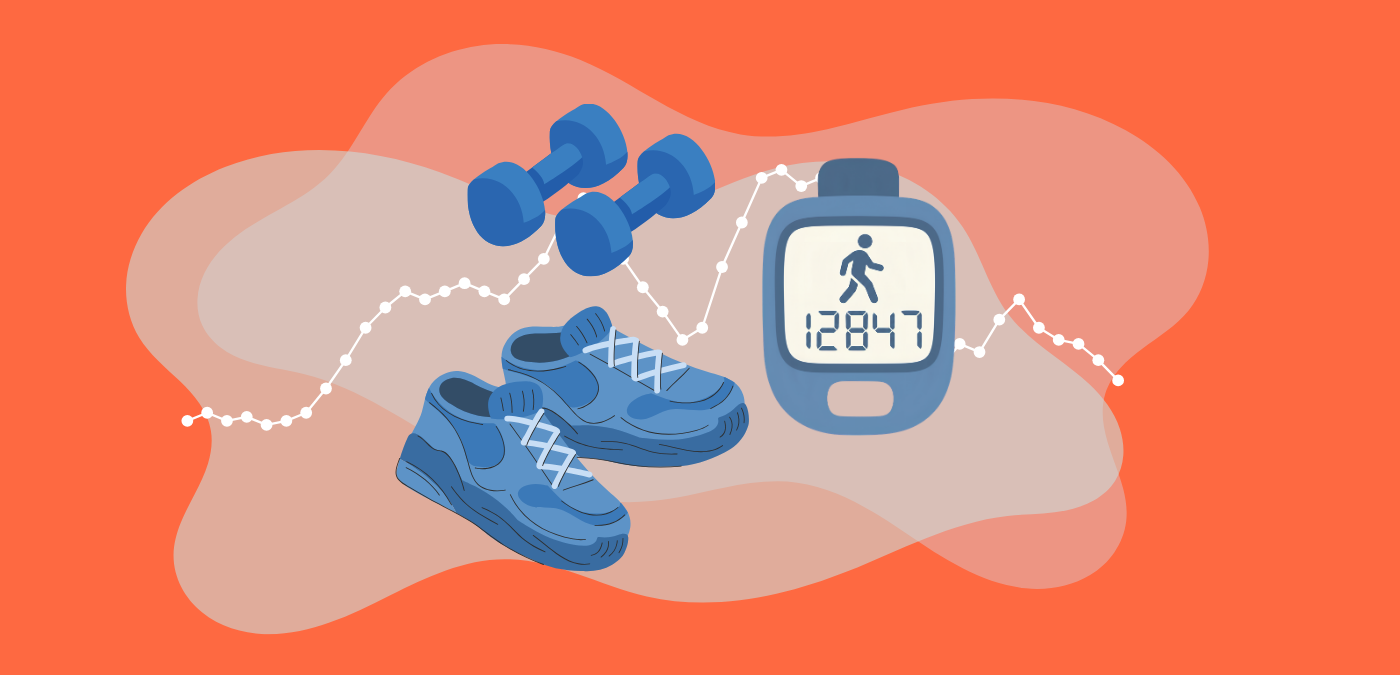
- Behavioral factors. A lack of exercise (i.e., less than 150 minutes of moderate-to-vigorous physical activity per week), cannabis use, and regular bedtime snacking—to avoid nighttime hypoglycemia—were associated with poorer sleep.
However, other aspects directly associated with diabetes such as time since diagnosis, method used to monitor blood sugar levels (e.g., CGM), type of treatment (e.g., insulin pump or injections) or hypoglycemia awareness do not seem to impact sleep quality.
What is the takeaway message?
Unfortunately, poor sleep quality is frequent in adults living with T1D. The good news is, some of the factors that affect sleep can be improved. For instance, regular physical activity can not only improve sleep quality, but also help in managing stress and improve mood.
As for cannabis use or bedtime snacking, it is recommended that you talk with a health professional before you change your habits.
Do you have recurring sleep problems? If so, you are not alone, and it is important that you talk to a professional. Better sleep can improve your overall health and quality of life.
Sign up for the BETTER registry now to help advance research on how people with T1D can improve their sleep.
Reference:
Vézina-Im, L. A., Turcotte, A. F., Messier, V., Turcotte, S., Brossard, A., Pelletier, J., Nassar, T., Rabasa-Lhoret, R. & Brazeau, A. S. (2025). BETTER sleep: Sleep quality among adults living with type 1 diabetes in Canada. J Diabetes Complications, 39(10), 109137. doi:10.1016/j.jdiacomp.2025.109137.