




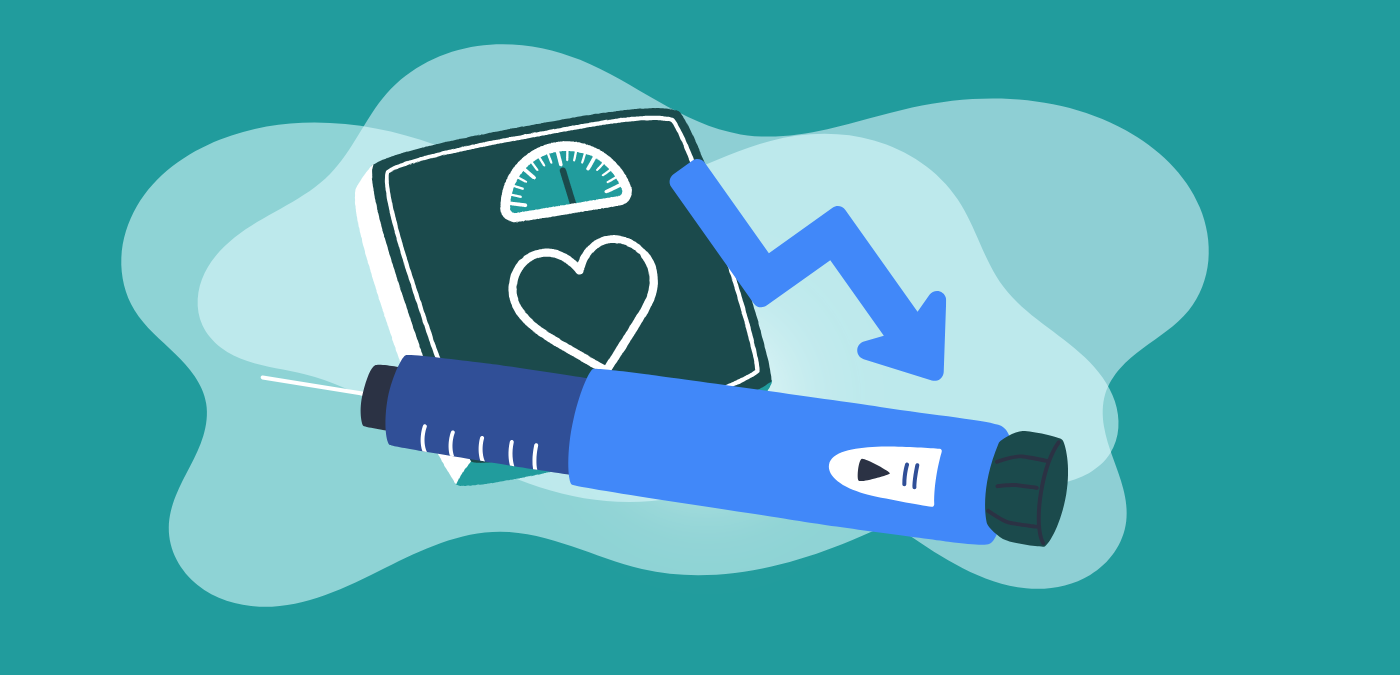
Type 1 diabetes (T1D) is caused by destruction of insulin-producing cells, requiring lifelong insulin therapy. Before diagnosis, the lack of insulin typically causes weight loss, since the body is unable to use the sugar present in the blood. However, in recent decades, overweight and obesity have become more common both in the general public and among people living with T1D.
Although body mass index (BMI) is an imperfect measure, it helps compare body weight across populations. Data from the BETTER registry has shown that 1 in 3 people living with T1D in Canada would be considered overweight (BMI > 25) and 1 in 5 obese (BMI > 30). These individuals were more likely to have higher HbA1c and diabetes complications (e.g., heart disease, eye damage).
Since the arrival of Ozempic (semaglutide), medications that address both diabetes management and weight loss have become increasingly popular. Adjuvant medications, or medications approved for the management of type 2, rather than T1D, are used by 14% of BETTER registry participants. The goal of these medications can be to facilitate glucose management in combination with insulin therapy, potentially decrease risk for heart and kidney complications, and to help control weight in order to improve health (e.g., improve blood pressure or sleep apnea). Notably, though Diabetes Canada supports some benefits of adjuvant therapy, Health Canada has not approved of these medications specifically for people living with T1D.
In studies of people living with type 2 diabetes and obesity, tirzepatide results in greater weight loss on average than semaglutide (Ozempic).
What makes tirzepatide different?
Tirzepatide mimics the same naturally occurring messenger as semaglutide, a hormone from the gastrointestinal tract involved in appetite. Tirzepatide, however, also mimics a second, partner messenger. In their natural state, these messengers (known together as the incretins) are released from the gut in response to food and contribute to reduced appetite as well as satiety through their signals to the brain and stomach. For people with sufficient insulin-producing cells (without diabetes), the incretins also increase the natural insulin response to food.
How effective is tirzepatide in T1D?
A recent study evaluated the use of tirzepatide in 24 people living with T1D and obesity. The participants were blindly assigned to receive tirzepatide or placebo (a similar weekly injection without any active drug) for 12 weeks.
Tirzepatide caused weight loss in people with T1D
Participants taking tirzepatide lost an average of 10 kg (22 lbs) by the end of the 12 weeks, compared to 0.7 kg (1.5 lbs) in the placebo group. All participants in the tirzepatide group lost over 5% (up to 15%) of their total body weight, while this was only achieved by one person in the placebo group. This weight loss was mostly fat, not muscle, and participants in the tirzepatide group reported feeling fuller and less bloated.
Insulin dose is reduced with tirzepatide
From week 0 to 12, time in target glucose range increased by about 3% in both groups. However, the tirzepatide group was using 35% less insulin (bolus and basal) than at baseline, whereas the placebo group’s insulin use remained the same. HbA1c was lowered by an average of 0.5% in the tirzepatide group, but was not significantly changed in the placebo group.
Participants were satisfied despite side effects
During the study, no participants experienced a severe hypoglycemia or diabetic ketoacidosis. Although 75% of the tirzepatide users reported side effects (e.g., reflux, nausea, vomiting), no one stopped the medication as a result of them. All participants in the tirzepatide group were satisfied with how this treatment addressed their T1D needs, compared to 37% of the placebo group.
What’s next for tirzepatide and T1D?
This study was the first randomized, placebo-controlled trial for tirzepatide in people living with T1D; however, the sample size was very small. These results are promising, but larger and longer future studies are needed to provide further evidence for the usefulness of tirzepatide in people living with T1D.
Obesity can add challenges for people living with T1D, including effects on physical and mental health that may differ between sexes. Future research should focus on holistic outcomes of tirzepatide and other weight loss medications, including on mental health, T1D-specific side effects (e.g. risk of hypoglycemia), broader T1D management, and possible reduction of heart problems. Finally, the access to and cost of this class of medication will be of concern if they become approved for more broad applications.
Want to get involved in research?
Help researchers understand how weight, insulin, and T1D management interact! Join the BETTER registry if you live with T1D in Canada.
Reference: Snaith JR, Frampton R, Samocha-Bonet D, Greenfield JR. Tirzepatide in Adults With Type 1 Diabetes: A Phase 2 Randomized Placebo-Controlled Clinical Trial. Diabetes Care. 2025 Nov 20:dc252379. doi: 10.2337/dc25-2379. Epub ahead of print. PMID: 41264593.

Written by: Cassandra Locatelli, PhD
Reviewed by:
- Sarah Haag, Clinical Nurse, B.Sc.
- Remi Rabasa-Lhoret, Md, PhD
- Pamela Dawe, Anna Theroux, patient partners

Walking, cardio, and strength training with type 1 diabetes : less highs, more lows
Optimizing your artificial pancreas: Omnipod 5
Should an artificial pancreas be used in pregnancy with type 1 diabetes?
Sign up for our newsletter
Subscribe to stay informed about type 1 diabetes.
Upcoming Event
Participate in the BETTER registry!

First registry of people living with T1D in Canada.
Learn More