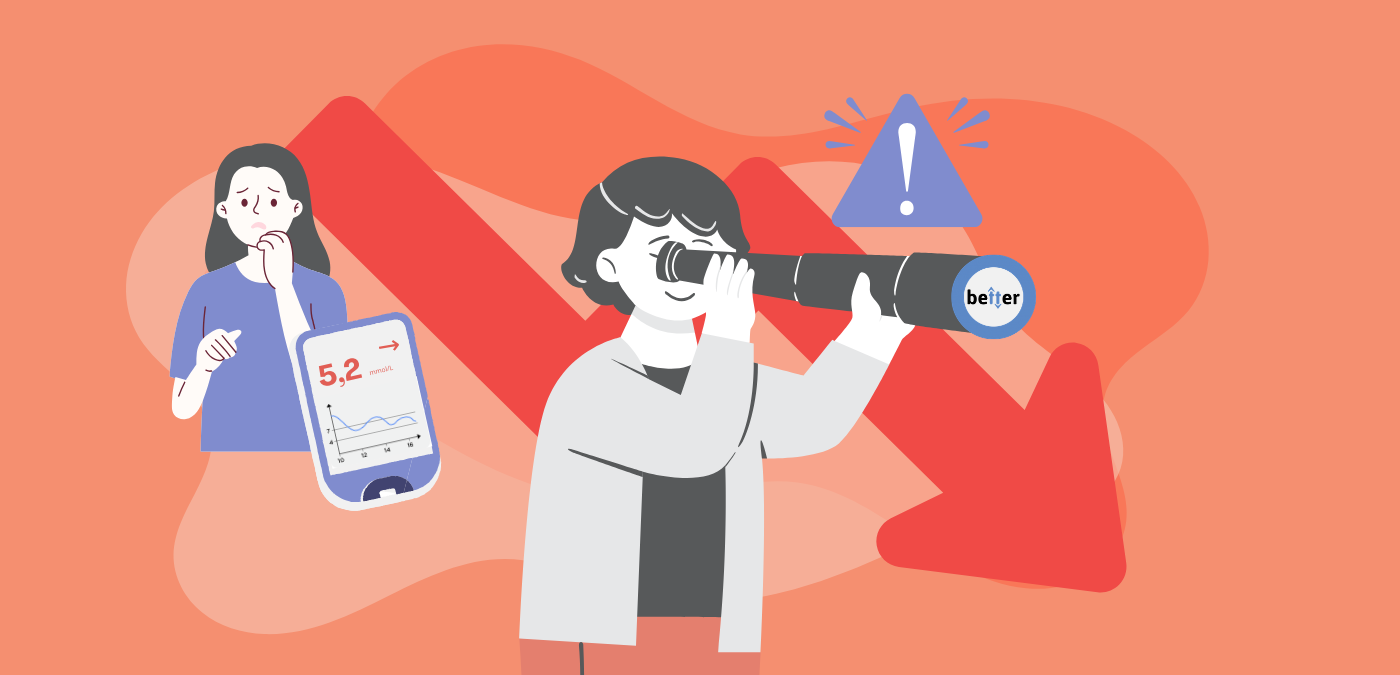
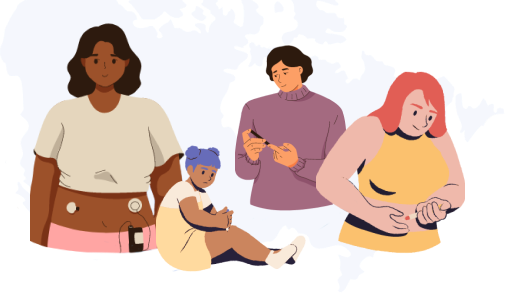
Living with type 1 diabetes is a constant balancing act. One of the biggest challenges isn’t just the insulin or the carbs: it’s the mental burden of managing the threat of a “low” or hypoglycemia. Severe episodes of hypoglycemia can be dangerous, but even mild lows can disrupt daily routines (including; daily activities, work, and sleep) and have consequences lasting longer after the episode is over (e.g. persistent fatigue)
It is therefore not surprising that many people develop some degree of fear of hypoglycemia (actual low episodes or fear of the risk of possible lows), and according to a new study, this fear might be one of the reasons why many people struggle to reach their blood sugar targets.
Fear of hypoglycemia can be different from actual frequency of hypoglycemia, and while fear itself is not inherently problematic. It can promote caution and safer decision-making. However, when fear becomes strong enough to interfere with one’s quality of life or their diabetes management, it should be addressed.
A Simple Question That Changes Everything
Despite the high prevalence of fear of hypoglycemia, it is rarely discussed during doctor visits. While hypoglycemia is often discussed, the fear of hypoglycemia is not addressed. Most tools used to measure this fear are long questionnaires that just don’t fit into the already packed clinical visits.
In a recent study, researchers from a Canadian research initiative asked 1,437 adults living with type 1 diabetes who have participated in the BETTER registry one yes or no screening question:
“Does fear of hypoglycemia represent a barrier for you to achieve optimal blood sugar levels?”.
This question was co-developed by people living with type 1 diabetes and healthcare professionals to ensure a good common understanding.
The results of this study were eye-opening:
- 43% of participants answered “yes” confirming that fear is a barrier in their diabetes management.
- Those who answered yes were less likely to reach the recommended HbA1c target of ≤7.0%.
- On average, people who perceived this fear as a barrier to achieving their blood sugar target had HbA1c levels 0.5% higher than those who didn’t.
- This fear was more common among women and people who take medication for anxiety or depression.
How Fear of Hypoglycemia Affects Daily Life?
Fear of lows can shape behaviour in many different ways! People who described fear as a barrier were also more likely to:
- Keep their blood sugar higher during social situations or while performing important tasks.
- Limit exercise or physical activity to avoid a potential drop in blood sugar.
- Have lower confidence in their ability to manage a low if it happens.
Talking about it is the first step.
If fear of lows is affecting your decisions or you feel that it is stopping you from managing your diabetes the way you want to, you are not alone.
This new one-question tool is designed to help you and your healthcare team start a productive conversation. By identifying this fear early, you can work together on personalized solutions like better use of technology or confidence-building strategies to help you feel safe and healthy.
Reference:
Talbo MK, Peters TM, Yale JF, Katz A, Laforest C, Vanasse A, Kichler JC, Rabasa-Lhoret R, Brazeau AS. Screening for Fear of Hypoglycemia in Type 1 Diabetes: Aligning Clinical Practice With Current Guidelines. Endocr Pract. 2026 Jan 15:S1530-891X(26)00005-4. doi: 10.1016/j.eprac.2026.01.004. Epub ahead of print. PMID: 41547387.