You may have seen people on social media promoting smart watches (e.g., Wolf Notch’s Suga Pro, Chronovibe Diabeto Ultra) that measure blood sugar continuously without the need for inserting a filament under the skin, via a sensor that emits infrared light through the skin.
Health Canada issued a warning for people with type 1 diabetes (T1D) and their families to the effect that the safety and efficiency of these watches hadn’t been proven scientifically, and that these devices presented a serious health hazard. Health Canada has yet to authorize any smart watch that measures blood sugar through the skin.
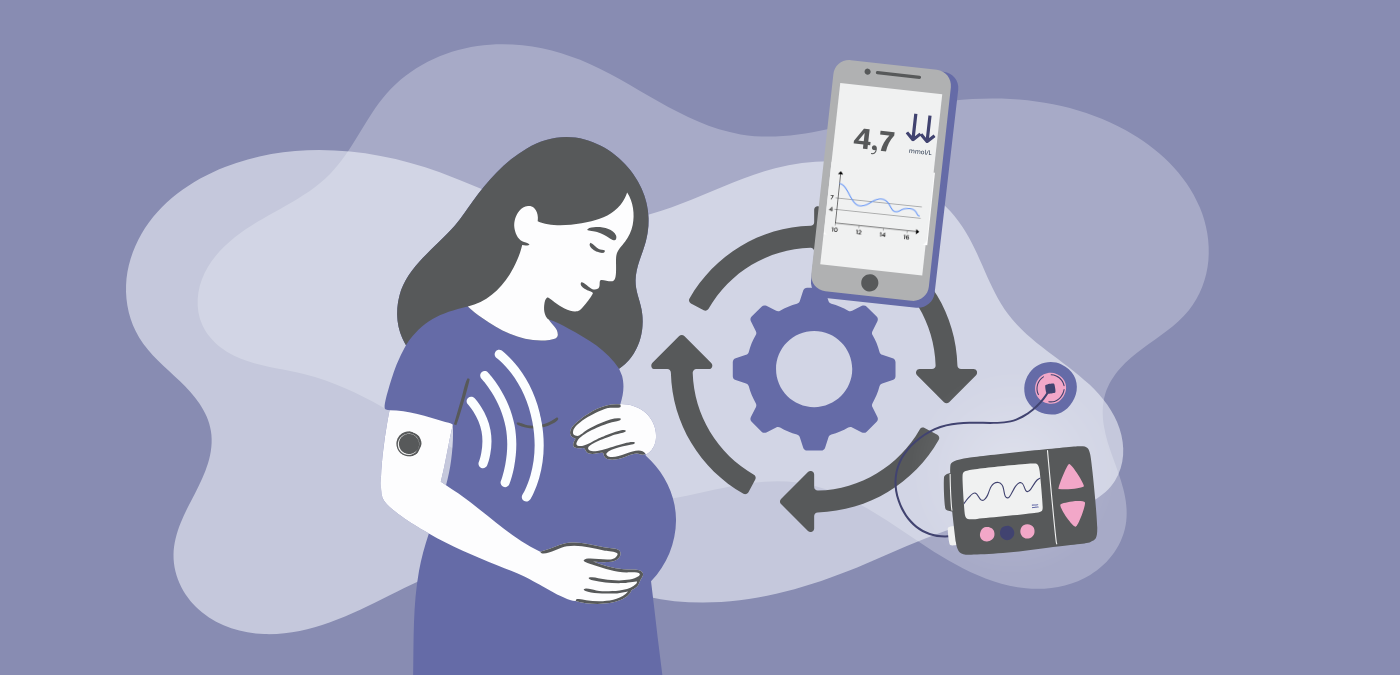
On the other hand, authorized continuous glucose monitors (CGMs), which measure blood sugar subcutaneously, can be used in conjunction with a watch or smartphone to display blood sugar results.
“Not-so-smart” watches
Manufacturers’ websites promote the non-invasive, painless (no prick, no insertion under the skin) and practical (e.g., no lancets, discretion, comfort) aspects of these watches, even misleadingly suggesting that they can replace CGMs (Dexcom, Freestyle or Guardian) and glucometers.
However, you should be aware that these watches can be inaccurate and give false readings, especially when blood sugar levels vary rapidly. What’s more, most of these devices don’t have an alarm feature to warn the user of oncoming hypoglycemia.
Several people with T1D have tested these watches and compared their effectiveness with that of CGMs and capillary (fingertip) blood measurements. They observed, although non-scientifically, that the blood sugar results measured by these watches often differ from those measured with authorized CGM technologies.
Making therapeutic decisions (e.g., adjusting your insulin) based solely on results measured by these watches could therefore jeopardize your health. For example, if the watch incorrectly measures high blood sugar levels, you might instinctively give yourself a bolus of insulin that you don’t really need. This would put you at a significant risk of hypoglycemia.
Ongoing trials with sensor watches
Researchers and manufacturers are still working on a solution to integrate CGMs and watches. Such a technology could enable people with T1D or type 2 diabetes to have their blood sugar measured continuously and discretely (the watch would work as a sensor).
Many technologies are currently under development (prototype phase), although not yet authorized by health authorities. The most sophisticated device is a 7-day patch the user can wear under the case of their watch. The patch features a series of microneedles and subcutaneous biosensors that analyze glucose levels in the interstitial fluid (in which cells are immersed), just like the CGMs that are currently authorized in Canada.
While these technologies are promising, it’s essential to remain vigilant and to only use devices that are approved by Health Canada. This will ensure that your results are as reliable as possible and reduce any risk to your health.
References :
Gouvernement of Canada. Unauthorized blood glucose (sugar)-reading smartwatches may pose serious health risks to people with diabetes. Public advisory consulted on March 1st, 2024. https://recalls-rappels.canada.ca/fr/avis-rappel/montres-intelligentes-suivi-glycemie-taux-sucre-dans-sang-non-homologuees-peuvent