



Type 1 diabetes (T1D) results from the loss of insulin producing cells in the pancreas. Due to this lack of insulin, people living with T1D need to administer insulin to lower blood sugar spikes (e.g., after a meal). While glucose lowering is a major part of managing T1D, it’s critical to not go too low (hypoglycemia).
Levels of hypoglycemia and their management
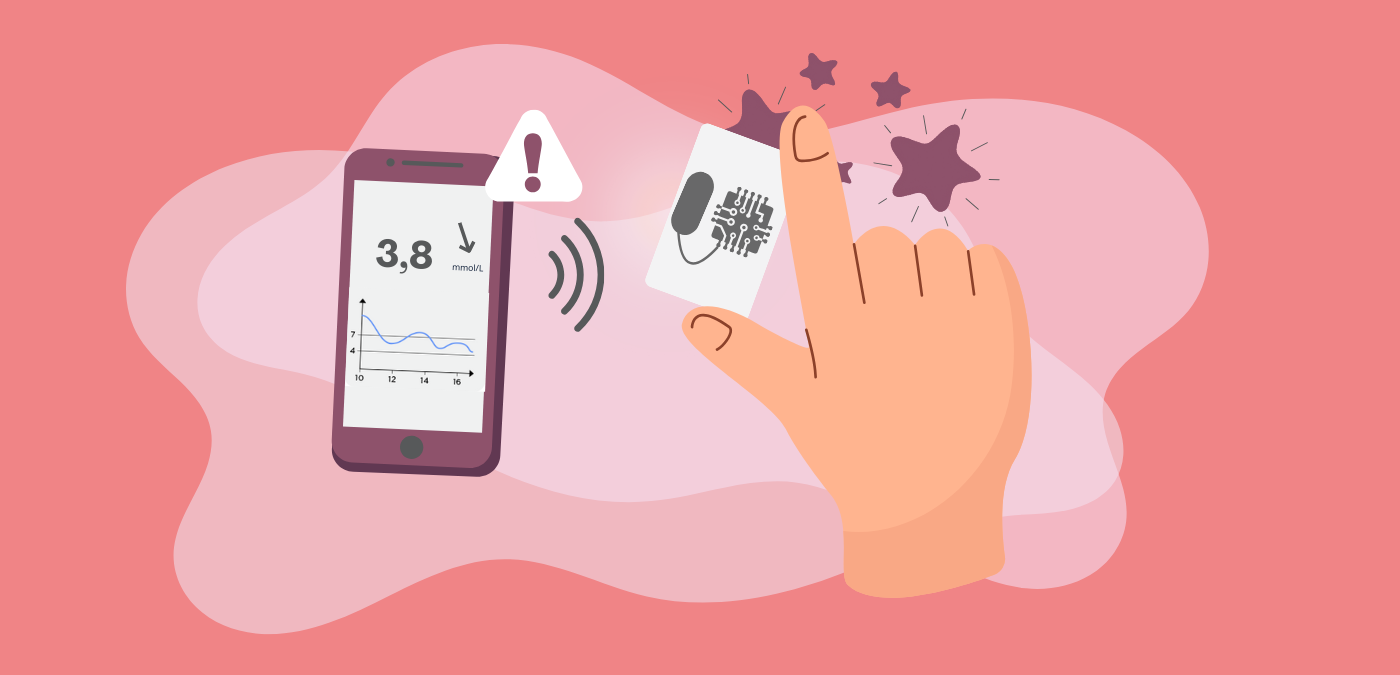
Hypoglycemia remains one of the most challenging and burdensome aspects of living with T1D. Hypoglycemia carries physical (e.g., malaise, fatigue), psychological (e.g., fear of hypoglycemia), and social (e.g., work or driving limitations) consequences. Episodes of hypoglycemia can range from mild with recovery after taking oral carbohydrate (e.g., glucose tablets, juice) to severe, where external assistance is necessary to return to safe blood sugar levels. Context also matters, a 3.5 mmol/L reading at home is very different from one that occurs while swimming or climbing.
Glucagon can be life-saving during hypoglycemia
Besides insulin, the other main blood sugar-balancing hormone is glucagon, which acts in opposition to insulin and raises blood sugar levels. In people living with T1D, glucagon is no longer effective and can’t raise blood sugar during hypoglycemia. Severe hypoglycemia is a very serious and potentially life threatening event requiring immediate action. When sugar can not be taken by mouth (e.g., loss of consciousness, inability to swallow), synthetic glucagon delivery is used to increase blood sugar. In the past glucagon was typically given by injection; however, in recent years, nasal glucagon has become the more popular method of delivery in Canada.
Automating the delivery of glucagon could help to alleviate worries about severe hypoglycemia and improve the quality of life for many people living with T1D and their loved ones.
Can glucagon delivery be improved?
A recent study tested a new under-the-skin implanted device designed to automatically deliver glucagon during emergencies. The device is relatively small (3-5 cm3) and can store one (1.2 mg) or multiple doses of long-lasting, powdered glucagon. In the event of an emergency hypoglycemia, the device can be remotely triggered, causing a flat piece of metal to heat and curve, releasing the glucagon within 10-25 seconds.
Implanted device prevents hypoglycemia in mice
In mice, triggering of the device was able to increase blood glucose levels within 5 minutes and they maintained this elevated blood glucose over the following 20 minutes. When mice were given insulin, triggering of the device staved off serious hypoglycemia (blood glucose 3.9 mmol) unlike mice with the same device without glucagon inside (blood glucose 2.8 mmol/L).
They also tested the device in rats that are known to get fibrous scarring and found that the release was successful despite scar tissue forming around the device. However, in people living with T1D, the health of subcutaneous tissue (ie., tissue under the skin) is incredibly important for insulin absorption and the accuracy of continuous glucose monitors; thus, ensuring that this device maintains the health of this tissue is necessary.
Glucagon delivery could be automated
Activation of the device is done remotely using an antenna. This activation could be programmed to respond to continuous glucose monitor (CGM) data and provide life saving glucagon even if an individual is not aware of the severe hypoglycemia, or are unable to manually trigger the device (e.g., loss of consciousness).
What remains to be seen?
While the mouse studies are very promising, further studies in larger animals, and eventually people, are needed to ensure the safety and usability of the device. Future testing will ensure that triggering of the device is both safe and effective in people, that the doses are adequate and safe, as well as the length of time that the implant would last. The use of CGM to trigger glucagon release will also need thorough testing because CGMs are not 100% accurate and triggering during normal or high blood sugar could lead to significant hyperglycemia. Additionally, the safety profile (benefits vs potential side effects) of small but repeated doses of glucagon need to be established.
Practical ways to avoid severe hypoglycemia today
Multiple strategies have been shown to reduce the risk of, especially severe, hypoglycemia:
- Continuous glucose monitoring systems with alarms. In particular, predictive alarms offering a head’s up for blood sugar less than 3.0 mmol/L are essential
- Automated insulin delivery (also called artificial pancreas or closed-loop systems) have repeatedly shown a reduced risk for hypoglycemia. Versions currently in development will administer both insulin and glucagon
- Availability of easy-to-administer forms of glucagon: nasal glucagon is available in Canada and, in other countries, mini dose glucagon pens are an option
Unfortunately, the burden of these episodes is underestimated by many, including some healthcare teams, and reducing the risk of low blood sugar is a major priority for people living with T1D and their relatives.
Get involved in research
If you live with T1D and want to contribute your lived experience to research, consider joining the BETTER registry! Your experiences can make a difference.
Join the registry now!
Reference:
Krishnan SR, O’Keeffe L, Rudra A, Gumustop D, Khatib N, Liu C, Yang J, Wang A, Bochenek MA, Lu YC, Bose S, Reed K, Langer R, Anderson DG. Emergency delivery of particulate drugs by active ejection using in vivo wireless devices. Nat Biomed Eng. 2025 Jul 9. doi: 10.1038/s41551-025-01436-2. Epub ahead of print. PMID: 40634646.

Written by: Cassandra Locatelli, PhD
Reviewed by:
- Sarah Haag, Clinical Nurse, B.Sc.
- Anne-Sophie Brazeau, RD, PhD
- Remi Rabasa-Lhoret, Md, PhD
- Darrin Davis, patient partner
Optimizing your artificial pancreas: Omnipod 5
Should an artificial pancreas be used in pregnancy with type 1 diabetes?

Yo-yo dieting and type 1 diabetes: caution for the kidneys
Sign up for our newsletter
Subscribe to stay informed about type 1 diabetes.
Upcoming Event
Participate in the BETTER registry!
First registry of people living with T1D in Canada.
Learn More