




The ADA’s (American Diabetes Association) latest recommendations state that all people with type 1 diabetes (T1D) should have unrestricted access to diabetes technologies such as continuous glucose monitors (CGMs), insulin pumps and artificial pancreases right at diagnosis. Screening for numerous conditions (e.g. autoimmune diseases) and diabetes-related complications (e.g., kidneys, eyes, nerves) should also be offered systematically.
Every year, the ADA publishes a series of guidelines to offer the best care to people with diabetes (types 1 and 2). The ADA is a group of American healthcare professionals specialized in diabetes. These experts use the latest scientific studies to address their recommendations to clinicians, researchers, policy-makers and professionals in the field of diabetes.
Here are some of the main recommendations about T1D.
CGM at diagnosis
Literature reviews conducted by ADA experts reveal that the use of a CGM helps reduce glycated hemoglobin levels (or HbA1c, i.e. average blood sugar levels over three months), as well as the frequency and number of hypoglycemia episodes in both adults and children.
The ADA therefore recommends that physicians introduce this technology to patients at diagnosis and prescribe it as needed, as well as offer training and technical support for its use to help people of all ages (or their families) optimize blood sugar management more quickly. The ADA also advocates for universal access to (or better financial coverage of) this technology throughout life. Experts highlight studies reporting that the need to stop using a CGM due to a lack of financial resources or loss of public or private insurance usually leads to poorer blood sugar management.
Promoting the use of insulin pumps or automated insulin delivery systems
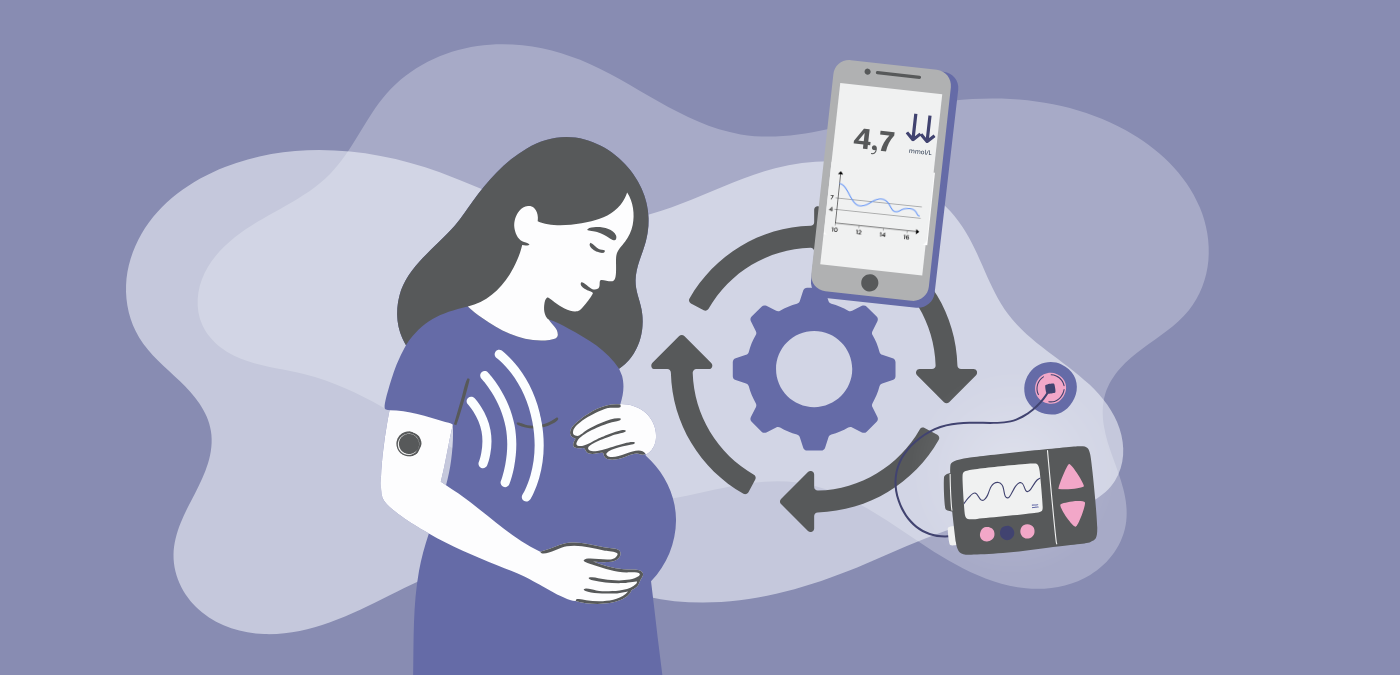
The ADA also recommends better access to insulin pumps and artificial pancreases (which combine a pump, a CGM and software to automatically adjust part of the insulin delivered) and better awareness of these technologies as a treatment option for anyone willing and able to use them safely.
Studies show that these tools can improve time in range and glycated hemoglobin (HbA1c) levels and reduce the risk of both acute—notably severe hypoglycemia and ketoacidosis, a severe form of hyperglycemia associated with a lack of insulin—and chronic complications—in particular, retinopathy (eyes) and neuropathy (nerves).
Screening for diabetes-related complications and autoimmune diseases
Screening for diabetes-related complications should be done as early as five years after diagnosis, particularly for those complications that may affect the kidneys (through blood sampling and urinalysis), the eyes (through ocular fundus analysis) and the nerves (through an examination of the sensitivity of the feet using a small filament). These tests should be done every year for the kidneys, and once a year or every two years for the eyes and nerves. You must not wait until you experience symptoms to do these screenings.
The ADA also recommends paying close attention to bone health, and to start screening for osteoporosis (brittle bones) at the age of 65. Indeed, people with T1D have an increased risk of fractures. This screening could be offered earlier in the presence of other factors that increase this risk (e.g., cortisone intake, smoking). The ADA also advocates for nutritional advice (e.g., on the importance of calcium and vitamin D) to be made available to people with T1D and for promoting physical activity, both of which reduce the risk of osteoporosis.
It is also recommended to pay particular attention to autoimmune diseases that may be potentially associated with T1D, such as diseases of the thyroid gland (located in the neck), celiac disease (gluten intolerance) and pernicious anemia (lack of red blood cells due to inability to absorb vitamin B12).
Identifying mental health disorders early
Self-managing T1D can become a source of stress and even a real burden for people living with this condition. The ADA stresses the importance of routine screening for possible mental health problems (diabetic distress, depression, anxiety, eating disorders) with the healthcare team, in order to quickly identify people with T1D or family members who need help. Training, psychological support and therapy should also be offered to all people living with T1D.
All these guidelines show how the important role of scientific studies in improving the quality of life of people with T1D.
When you help advance research, including by signing up for the BETTER registry, you give scientists access to data that reflects your daily life with T1D (real-life data). It’s a way for you to contribute to the development of better care, but also to advocate for barrier-free access to diabetes technologies.
References:
American Diabetes Association Professional Practice Committee. Standards of Care in Diabetes – 2024. Diabetes Cares 47: 1-4. https://diabetesjournals.org/care/issue/47/Supplement_1
American Diabetes Association Professional Practice Committee. 2024 Abridged Standards of Care. https://diabetesjournals.org/collection/2018/2024-Abridged-Standards-of-Care

Written by: Nathalie Kinnard, scientific writer and research assistant
Reviewed by:
- Rémi Rabasa-Lhoret, M.D., Ph.D.
- Sarah Haag, R.N., B.Sc.
- Anne-Sophie Brazeau, P.Dt., Ph.D.
- Claude Laforest, Jacques Pelletier et Michel Dostie, patient partners of the BETTER project.


Sign up for our newsletter
Subscribe to stay informed about type 1 diabetes.
Upcoming Event
Participate in the BETTER registry!

First registry of people living with T1D in Canada.
Learn More