Type 1 diabetes (T1D) is a lifelong condition, but, thanks to advances in treatment and management, people with T1D are living longer and healthier lives than ever before. Besides aging with T1D, getting older itself brings its own challenges which can include managing other chronic conditions, taking multiple medications, and adapting to lifestyle changes, like retirement.
A recent study, using data from BETTER registry participants, investigated how age relates to blood sugar management, use of T1D technologies, and mental health factors among adults 50 and older. Participants were divided into 3 age groups: 50-59, 60-69, and 70+ years old.
Financial and health challenges are different across age groups
People of older age were, as expected, more likely to be retired, have an annual household income under $100 000, and rely on public drug insurance. Interestingly half of adults 70+ still used private insurance, highlighting a potentially important financial burden, if this is paid out of pocket. Older (70 years +) participants also had a higher rate of nerve damage than the younger groups and both the 60 and 70+ adults reported higher rates of cardiovascular disease than the 50 year olds. In line with this, older adults used more medications for high blood pressure or high cholesterol.
CGM use was lower in adults 70+
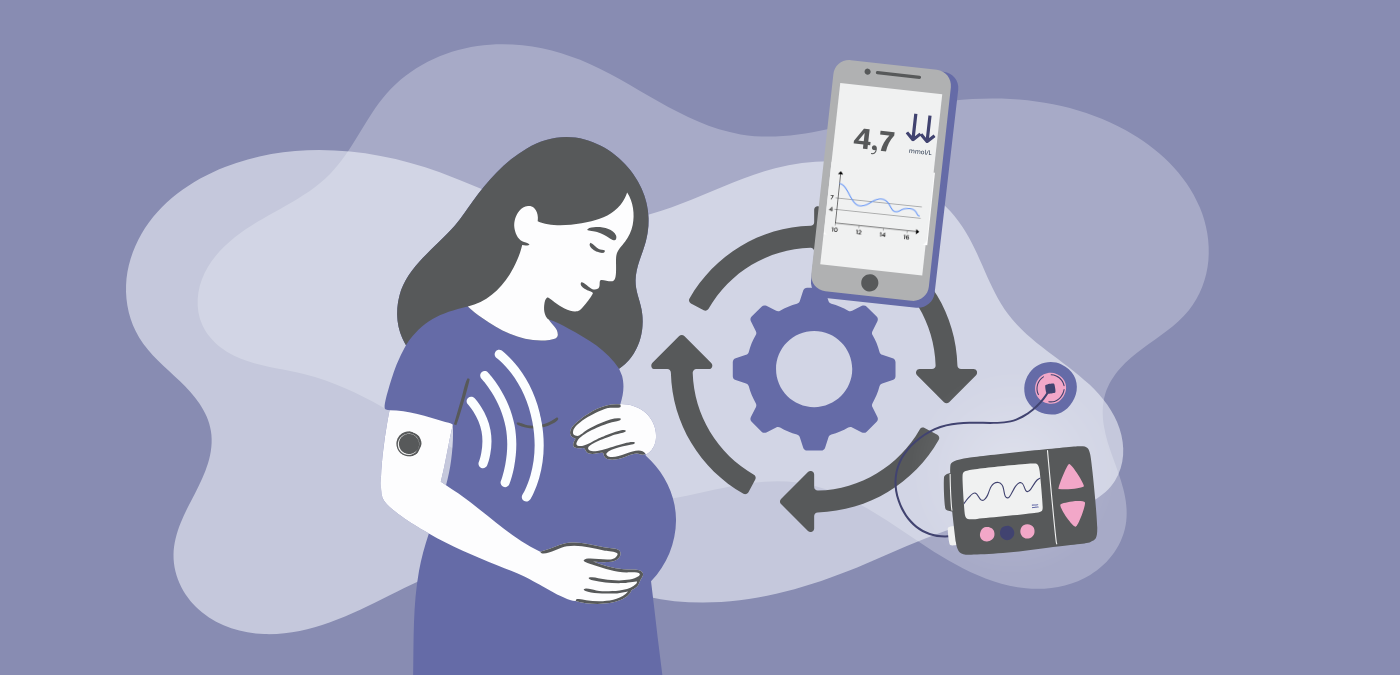
In all 3 groups, around 37% of participants used insulin pumps, and the vast majority used a continuous glucose monitor (CGM). However, CGM use was 12% lower (73% vs 85%) in the 70+ age group compared to both other groups, highlighting potential barriers to adopting some of the newer diabetes technologies. Across ages, people who used both insulin pump and CGM were more likely to have an HbA1c under 8% and less likely to rely on public insurance.
Older adults had less hypoglycemia
More than 80% of participants had well managed blood sugars with HbA1c less than 8%. Adults 70+ were less likely to have HbA1c under 7%, consistent with higher targets for older adults with less independence. On the opposite end, the 50 year old group was more likely to experience hypoglycemia (< 3 mmol/L glucose that was self-treated) in the last month compared to both other groups. They also had a greater number of hypoglycemic episodes in the last month than the 70+ group (7 versus 3 events on average). Severe hypoglycemia that people were not able to treat themselves remained rare across all age groups.
In line with more occurrences of hypoglycemia, the 50 year old group reported that they had more worries around hypoglycemia. A smaller percentage of the 50 year old age group reported being unaware of hypoglycemia, which might mean that the older age groups are underestimating how many hypoglycemias they experience. This may be especially true in 70+ age group participants who don’t use CGM and may miss a less severe hypoglycemia.
Mental health and social support
All age groups reported similar levels of social support. More participants in the 50 year old group showed moderate diabetes distress or mild depressive symptoms compared to the 60-year-old group.
Why this matters
People’s care needs change across the lifespan, especially in times of great change like retirement and as T1D management and technologies change. However, older adults are an extremely diverse group of people and many of them manage incredibly well with T1D; healthcare professionals should be careful to avoid ageism when engaging with these older adults. Also, knowing how provincial healthcare impacts the use of potentially life-changing technologies (e.g., CGM that can alert a family member of hypoglycemia) is essential to advocate for better coverage. Currently, in Quebec, the Insulin Pump Access Program only covers the cost of insulin pumps if initiated before the age of 18, excluding all participants in this study.
To find out provincial coverage for diabetes tech, check the Breakthrough T1D coverage map.
Want to get involved?
If you live with T1D and would like to participate in this research, key to advocating for better care for people living with T1D, consider joining the BETTER registry today!
Reference:
- Wang YP, Alexandre-Heymann L, Messier V, Boudreau V, Bandini A, Kelly B, Gravel A, Gagnon C, Brazeau AS, Rabasa-Lhoret R. Technology Use and Diabetes Management Across Elder Age Groups in Type 1 Diabetes and Latent Auto-Immune Diabetes in Adults, a BETTER Registry Cross-Sectional Analysis. Endocr Pract. 2025 Jul;31(7):849-857. doi: 10.1016/j.eprac.2025.03.009. Epub 2025 Mar 25. PMID: 40147717.