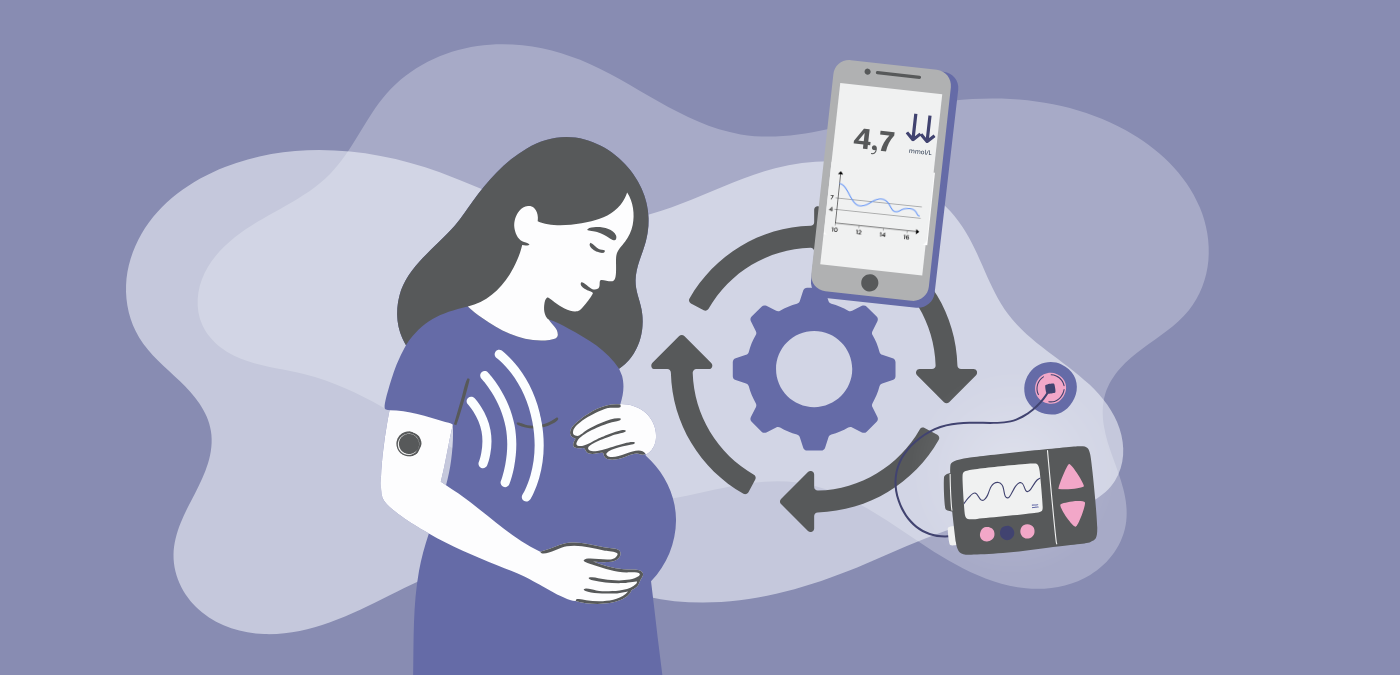
Managing type 1 diabetes (T1D) can be challenging, but technology is making it easier for some people. Automated insulin delivery systems (AIDs), also called an “artificial pancreas” or “closed-loop system”, help people with T1D keep their blood sugar in an optimal range by adjusting insulin doses automatically based on continuous glucose monitoring.
Commercial AID systems are available in Canada (for instance, Tandem with the Control-IQ technology or Medtronic 780G, and recently the CamAPS Fx) but are not accessible to all due to cost and limited insurance coverage, thus some people choose open-source AID systems. Also called DIY (Do It Yourself), these homemade systems are self-built using a free, online algorithm to connect a commercial insulin pump with a continuous glucose monitor, allowing them to work together automatically. But how do these two options compare?
A recent study explored this question by looking at data from 78 adults living with T1D who had been using AID systems for at least three months in real life. The goal was to compare how well open-source AID and commercial AID systems managed blood sugar levels, their safety, and how users felt about them.
What did the study find?
The results showed that open-source AID systems were as effective as commercial AID systems in keeping blood sugar within the target range (3,9 to 10 mmol/L). In fact, open-source AID users spent an average of one hour and 43 minutes more time per day in the ideal blood sugar range than commercial AID users. However, open-source AID users also had slightly more low blood sugar episodes, though they remained within safe limits.
Interestingly, users of both systems reported similar levels of diabetes-related stress, sleep quality, and overall satisfaction. The only major difference was that open-source AID users reported less fear of low blood sugar, possibly because they had more control over their system settings.
Are open-source automated insulin delivery systems safe?
One major concern about open-source AID systems is safety, since their algorithms are not officially approved by health regulators like Health Canada and often use out-of-warranty pumps. However, this study found no severe low blood sugar episodes or diabetic ketoacidosis in either group, suggesting that open-source AID systems are just as safe as commercial AID systems in real-life use. Further, technical issues (connectivity problems, pump failure) were similar between open-source and commercial AID users.
Why choose one over the other?
Both open-source AID systems and commercial AID systems have pros and cons.
- Commercial AID Systems: These are tested and approved by regulatory agencies, making them a safer (i.e., rigorously tested), more predictable and user-friendly choice for many people. However, they can be expensive and may have fewer customization options.
- Open-Source AID Systems: These allow users to customize their settings (for instance, fine tuning lower glucose targets), which can lead to better glucose management. However, they require more technical knowledge to set up and maintain, and they are not officially approved in most countries.
What does this mean for people with type 1 diabetes?
This study suggests that both types of AID systems can be effective for managing T1D. People who are comfortable with technology and want more customization may find open-source AID appealing, while those who prefer a regulated and ready-to-use system might prefer a commercial AID. The good news is that regardless of the device, AID technology is improving diabetes management, giving people more options than ever before.
If you or a loved one are considering an AID system, talk to your healthcare provider to determine the best option to suit your needs. Whether you choose an open-source or commercial, both AID systems can help keep blood sugar levels within optimal range and help manage diabetes easier.