



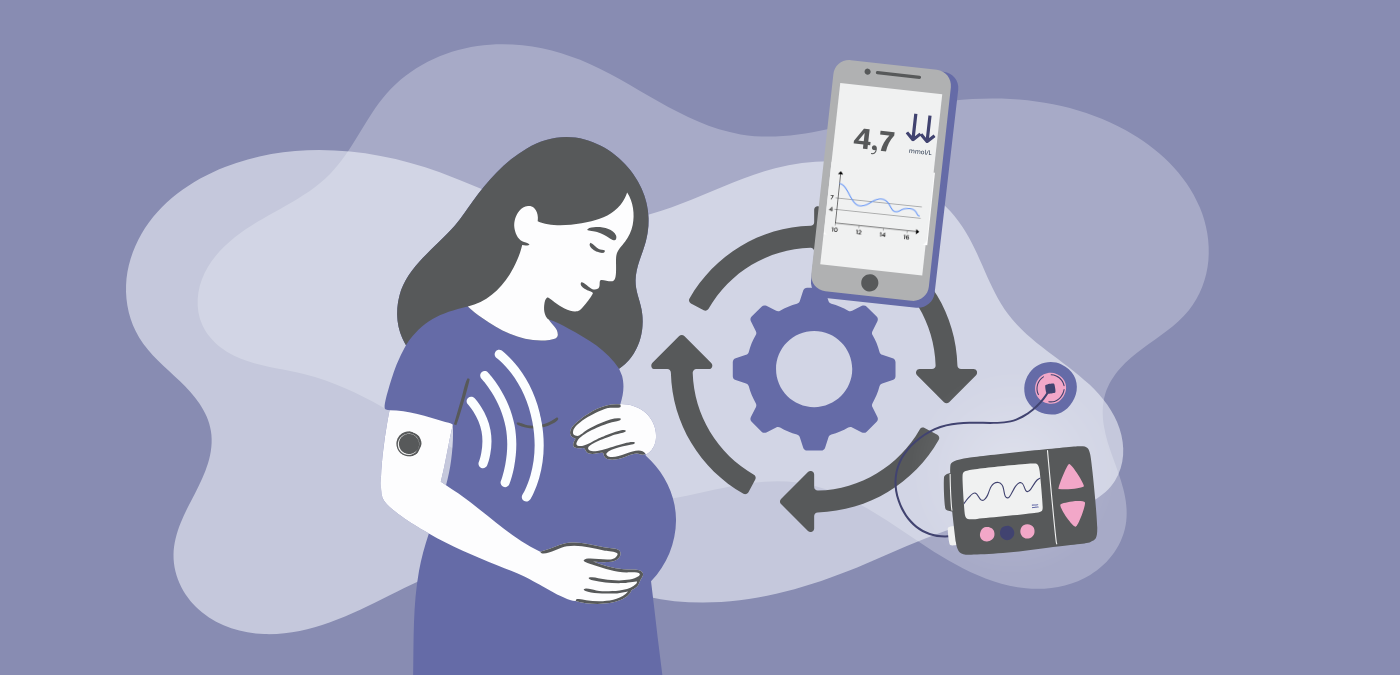
Tech advances such as insulin pumps and continuous glucose monitors (CGM) have revolutionized life with type 1 diabetes (T1D). These tools facilitate blood sugar management, reduce hypoglycemia, and improve the quality of life of people with T1D. However, access to these technologies is subject to inequalities and largely reliant on socio-economic status (e.g., income, access to insurance coverage) and demographic factors (e.g., age, sex, place of residence). As a result, these tools are available, but not always accessible.
A study based on data from the BETTER registry highlights the socio-economical gaps between adult users and non-users of T1D management technologies (insulin pumps and CGMs) in Quebec. Factors such as income, level of education, ethnicity and insurance coverage seem to influence whether a person has easy access to these technologies or not.
What is the BETTER registry?
The BETTER registry collects data on people with T1D in Canada. Anyone who lives with T1D or has a child who lives with T1D can sign up online and fill out questionnaires to share their lived experience with this condition. The registry collects important data that help understand diabetes management and its impact on all spheres of life in the hopes of improving knowledge and care, as well as promoting equal access to treatments and technologies.
Social inequalities and technology use
The study was led with 2,300 adults with T1D in Quebec. It looked at the impact of social factors (income, level of education, ethnicity, insurance coverage) and their impact on technology use (e.g., insulin pumps and CGMs), and on health (e.g., blood sugar management, severe hypoglycemia and hospitalizations due to diabetes).
Key findings
Here are a few key findings.
- Unequal technology use: Insulin pumps are less used by people who have a yearly income of less than $80,000, who don’t have a postsecondary degree, or who belong to a racial or ethnic minority group. The study also shows that while CGM use is a bit higher, access remains difficult, especially for the underprivileged (e.g., low income, no access to private insurance coverage).
- Social inequalities point to reduced technology use: The more difficult the social situation (e.g., low income and no private insurance), the more difficult it is to have access to tools such as insulin pumps and CGMs.
- Impact on health: Social inequalities are associated with heightened HbA1c (average blood sugar over the past three months), which suggests poorer diabetes management, as well as a higher risk of severe hypoglycemia and hospitalization due to diabetes. These results are consistent with those of another study based on data from the BETTER registry, which showed that in spite of public health insurance coverage, socio-economic inequalities have a strong impact on short—to long-term risks of complications for people with T1D.
Why does this study matter?
This study shows that even where there is public health coverage, the use of T1D technologies largely remains subject to inequalities. This demonstrates that making these tools available is not enough; everyone, regardless of their social situation, should have access to them. These technologies are essential: they help to manage blood sugar and to maintain optimal health.
How can we improve the situation?
It is essential to implement solutions to make diabetes management tools more accessible, especially for people in a precarious situation. Potential solutions can include specific programs that tackle not only financial issues, but also the lack of knowledge, lack of access and certain stereotypes that health professionals might perpetuate for lack of awareness. Projects such as Support, aimed at raising awareness both for adults with T1D and health professionals, play a key role in reducing these barriers and promoting better access to technologies.
While public coverage has improved access to CGMs, there is still a lot of work to do to ensure that each person living with diabetes has the same opportunities to take care of their health, regardless of their social situation. It is essential to keep on removing these barriers so that people with diabetes can be more autonomous and safer.
Reference :
- Khodabandehloo, Parisa et al. “Social disadvantage and technology use among adults with type 1 diabetes in Quebec: A cross-sectional study using data from the Canadian T1D (BETTER) Registry.” Diabetes, obesity & metabolism, 10.1111/dom.16426. 29 Apr. 2025, doi:10.1111/dom.16426

Written by: Sarah Haag, Clinical Nurse, B.Sc.
Reviewed by:
- Amelie Roy-Fleming, RD, CDE, M.Sc.
- Anne-Sophie Brazeau, RD, PhD
- Claude Laforest, Michel Dostie, Jaque Pelletier, Aude Bandini, patients partners


Sign up for our newsletter
Subscribe to stay informed about type 1 diabetes.
Upcoming Event
Participate in the BETTER registry!
First registry of people living with T1D in Canada.
Learn More