Type 1 (T1D) and type 2 diabetes (T2D) are affecting a growing number of people. While insulin is the main treatment for T1D, other options for improving blood sugar management are being explored.
One particular lead involves the vagus nerve, which plays an important role in reducing inflammation in the body. Inflammation is one of the body’s normal defence reaction, but if it persists for too long, it can be detrimental to health. This option is still being researched, and it could offer new prospects for diabetes management.
What is the vagus nerve?
The vagus nerve runs from the brain to several organs, including the heart and stomach. It is part of the autonomic nervous system, which is responsible for regulating vital bodily functions such as heart rate and digestion. This nerve could also help to reduce inflammation caused by several diseases, including diabetes. Diabetic inflammation can complicate blood sugar management and may contribute to certain complications affecting the vessels.
The role of inflammation in diabetes
Inflammation is our body’s natural response to fend off infection or heal injuries. However, when it becomes chronic, it can be detrimental to our health.
This is the case in T1D, where the immune system wrongly targets the beta cells of the pancreas, which produce insulin. The inflammation resulting from this autoimmune attack progressively chip away at these cells. As inflammation persists, beta cells get destroyed completely, preventing the body from producing insulin.
Inflammation also makes the body less sensitive to insulin. So, even if insulin is present in the body—whether produced naturally or administered—the body fails to use it properly, and sugar accumulates in the blood instead of going to the cells.
Inflammation may also play a role in the onset and progression of certain vascular complications.
Stimulating the vagus nerve to improve diabetes management
Studies show that stimulating the vagus nerve may help reduce inflammation and be beneficial for diabetes management. This stimulation is mainly executed by medical devices that send electrical signals to the vagus nerve. More simply, breathing exercises can be done that increase the variation between heartbeats, which activates the vagus nerve to help reduce inflammation.
Although the main treatment for T1D is the administration of insulin, research into the vagus nerve could offer additional options to facilitate this management. If activating the vagus nerve proves effective in reducing inflammation and improving blood sugar levels, this could complement traditional treatments and pave the way for innovative therapies. Studies have shown that stimulating the vagus nerve using a device or even controlled breathing can improve blood sugar management and reduce symptoms such as irritability or fatigue. However, this data is based on experiments carried out on animals, and no large-scale research has yet been carried out in humans.
It’s also important to note that high blood sugar levels persisting over a long period of time can damage nerves—this is called neuropathy. The vagus nerve is not immune to this complication.
Customized treatment based on the vagus nerve and artificial intelligence
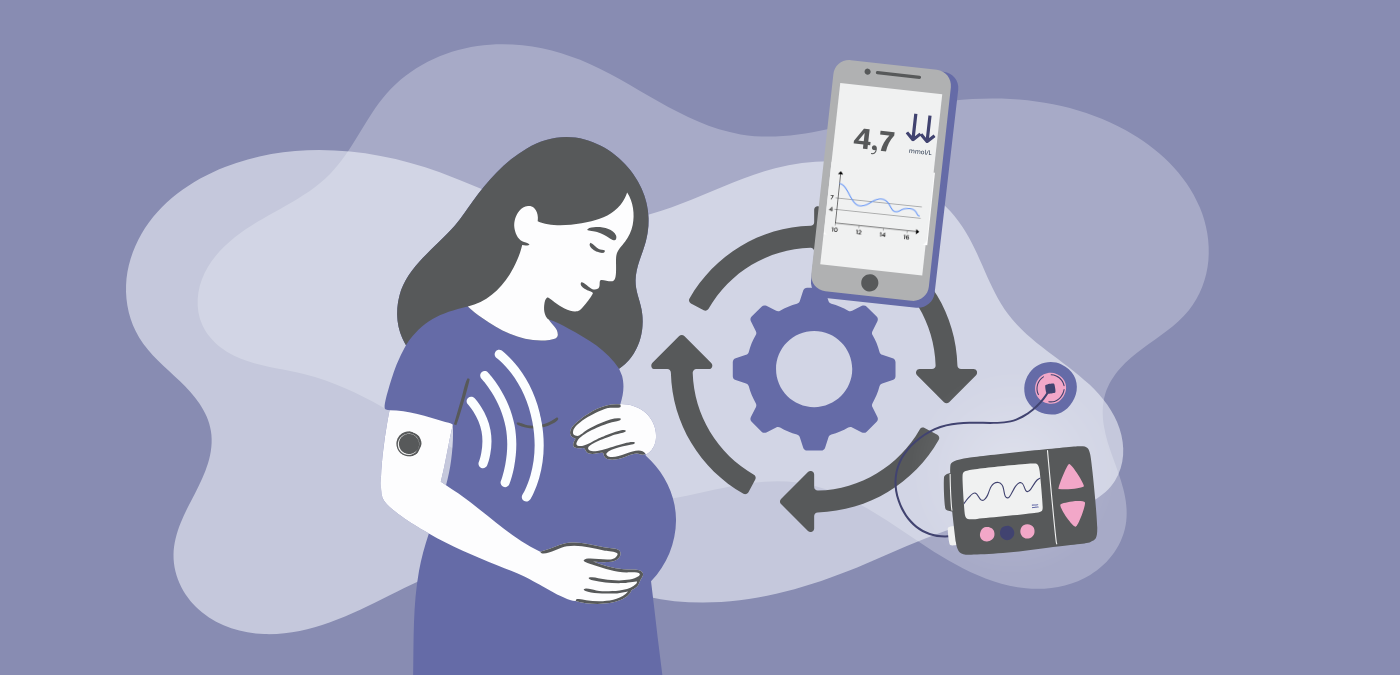
If these results are confirmed, treating diabetes could one day combine artificial intelligence (AI) with technologies such as continuous glucose monitors (CGMs) and vagus nerve stimulation. CGMs would measure blood sugar levels in real time, which could trigger the AI to adjust vagus nerve stimulation.
Some researchers believe that this could help improve the body’s response to insulin, reduce the amount of insulin needed to keep blood sugar levels within the target range, and positively affect other symptoms such as anxiety, pain and sleep disorders.
However, research into this approach is only at an embryonic stage. More studies will be needed to confirm the efficacy of vagus nerve stimulation in the treatment of T1D and to incorporate these technologies safely and practically into daily management.
References:
- Sorski, Liat, and Yori Gidron. “The Vagal Nerve, Inflammation, and Diabetes-A Holy Triangle.” Cells vol. 12,12 1632. 15 Jun. 2023, doi:10.3390/cells12121632
- Zhang, Kaiqi et al. “Future horizons in diabetes: integrating AI and personalized care.” Frontiers in endocrinology vol. 16 1583227. 27 Mar. 2025, doi:10.3389/fendo.2025.1583227