




Despite the large adoption of modern therapeutic options, like insulin pumps, continuous glucose monitoring (CGM) systems or artificial pancreases, only 21% to 30% of adults living with type 1 diabetes (T1D) achieve a glycated hemoglobin target lower than 7%. This target is recommended by the current Canadian guidelines to reduce the risk of various diabetic complications (e.g. kidney disease, eye damage, stroke).
Furthermore, even though artificial pancreases, also known as automated insulin delivery systems or closed-loop systems, have been shown to improve glucose management, only half of the users achieve the recommended glycemic target. Why is that? A recent study based on data from the BETTER registry provides some answers: those with a higher education degree and a shorter duration of insulin pump use have more success.
Switching to an artificial pancreas requires some knowledge…
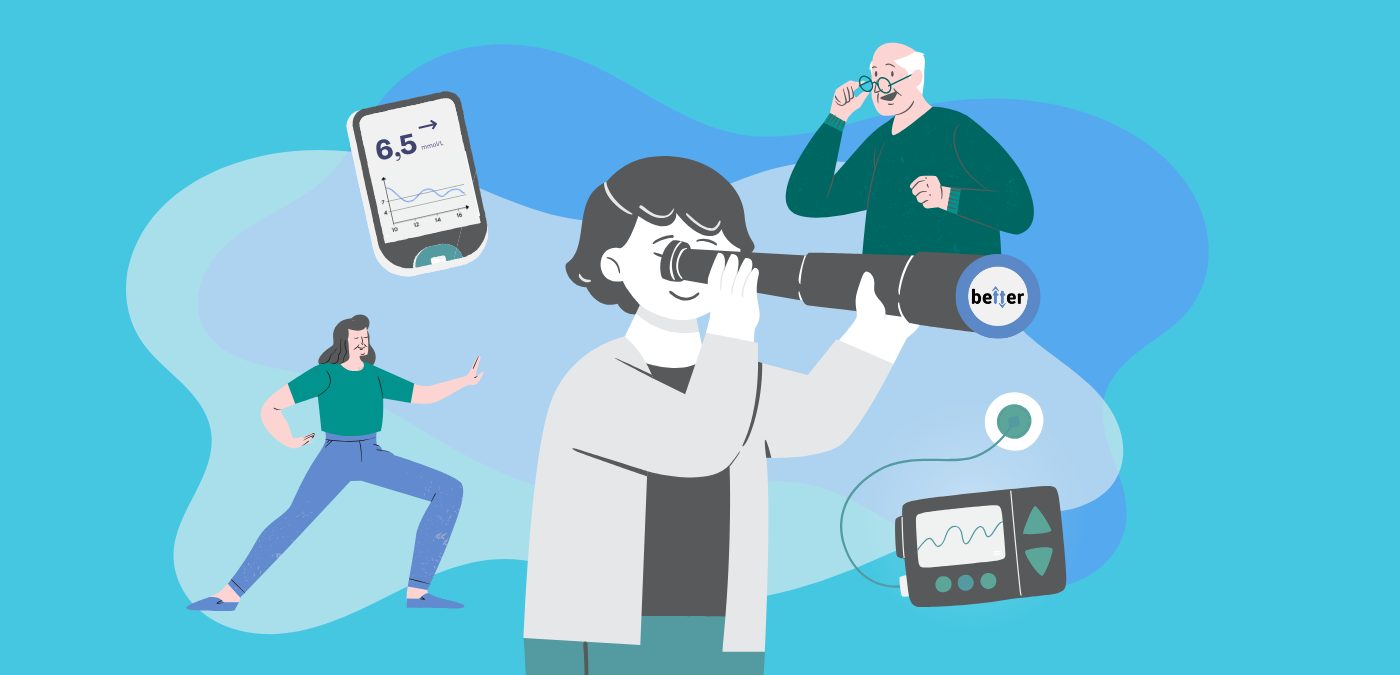
An artificial pancreas is a small, wearable insulin pump equipped with software that automatically adjusts insulin administration using blood glucose readings it receives from a paired CGM. This study looked at 131 adults living with T1D who are using an artificial pancreas (either a Medtronic MiniMed 670G/770G or a Tandem t:slim with Control-IQ).
The participants were divided into two groups based on their glycated hemoglobin (or HbA1c level, which is the average plasma glucose concentration over three months): those 7% and under and those over 7%. We analysed a broad spectrum of sociodemographic and clinical variables, including socioeconomic status, duration of technology use, complications, and quality of life parameters that could impact the effectiveness of an artificial pancreas.
The data show that people with a bachelor’s degree are more likely to achieve the recommended glycated hemoglobin target. This might be because higher education helps in understanding and managing diabetes with an artificial pancreas. This technology isn’t just plug-and-play. For example, the user must take responsibility to count carbs and enter this data into the pump.
Also according to the data from the BETTER registry, those who only recently started using an insulin pump are more likely to achieve the recommended glycated hemoglobin target than those who have been using a pump longer. Why are people with less experience using an insulin pump more likely to benefit from using an artificial pancreas? This is counterintuitive! We suspect that long-term pump users might have knowledge that is no longer necessarily up to date or habits that don’t fit well with closed-loop systems, making the switch harder. Furthermore, people who have been using insulin pumps for a long time might feel more confident and take more chances with their blood sugar management. This can lead to more fluctuation in their blood sugar levels, making it harder for them to reach their ideal blood sugar level target.
… but anyone can benefit from using an artificial pancreas
Despite these findings, the project shows that adults with T1D can benefit from using an artificial pancreas regardless of factors like age, sex, time with diabetes, income, job status, insurance, and other health issues (e.g., obesity/overweight, fear of hypoglycemia, distress, or depression).
The study suggests anyone living with T1D deserves the opportunity to try an artificial pancreas, if desired, regardless of their level of education or experience using a pump. Some people might just need a bit more support to maximize the benefits of the technology.
Deciding to switch from injections or a pump to an artificial pancreas is not straightforward: if not covered by provincial medical coverage, it is costly, and it involves new education and learning for everybody. Comprehensive, consistent, and continuous education and training are essential to the success of this technology. It’s worth discussing the switch with your medical team to see if it would be a useful, and maybe revolutionary, option for you!
By sharing your experience with T1D (or LADA) through the registry, you contribute to a collective effort to enhance knowledge about life with this condition and advocate for improved access to treatments and technologies. We firmly believe that everyone should have the freedom to choose the best treatments, technologies, and care without cost being a barrier. The more people participate, the greater impact it will have in supporting these advocacy efforts!
Reference:
Wu, Z. et al. (2023). Characteristics associated with having a hemoglobin A1c ≤ 7 % (≤53 mmol/mol) among adults with type 1 diabetes using an automated insulin delivery system. Diabetes Research and Clinical Practice 206: 111006. DOI: https://doi.org/10.1016/j.diabres.2023.111006

Written by: Zekai Wu, MD, Ph.D.
Reviewed by:
- Nathalie Kinnard, scientific writer and research assistant
- Anne-Sophie Brazeau, P.Dt. , Ph.D.
- Virginie Messier, M.Sc.
- Roberta Ferrence, Pamela Dawe, Barbara Kelly, Darrin Davis, Tara Nassar, patient partners of the BETTER project.


Upcoming Event
Participate in the BETTER registry!

First registry of people living with T1D in Canada.
Learn More