





Selected publications
PUBLICATIONS FROM THE BETTER REGISTRY
Here are some research studies conducted using the data collected through the BETTER registry, and their articles have been published. Others are ongoing.

Sleep and type 1 diabetes
Key Points: Approximately half of adults living with type 1 diabetes in the BETTER registry experience poor sleep quality.
Being a woman or living with overweight, having depression or fear of hypoglycemia, being physically inactive, using cannabis, or snacking before bed are all important risk factors.
This is one of the largest studies on this topic conducted in Canada.

Technologies and diabetes management in adults aged 50 and over
Key points: Among adults aged 50 and over living with type 1 diabetes or LADA in the BETTER registry, technology use is high, though slightly lower in those aged 70 and over. Diabetes management is good and similar across age groups, with fewer severe hypoglycemic episodes in older adults. Diabetes-related stress decreases with age.

Weight and mental health
Key Points: This study conducted with participants from the BETTER registry shows that weight affects mental health differently depending on gender. Women with higher weight report more distress, depressive symptoms, and stigma.

Other autoimmune diseases
Key points: More than one-third of adults living with type 1 diabetes (T1D) in the BETTER registry also have another autoimmune disease. These individuals are at higher risk of severe hypoglycemia, vascular complications, and mental health disorders, highlighting the importance of tailored medical and psychological follow-up.
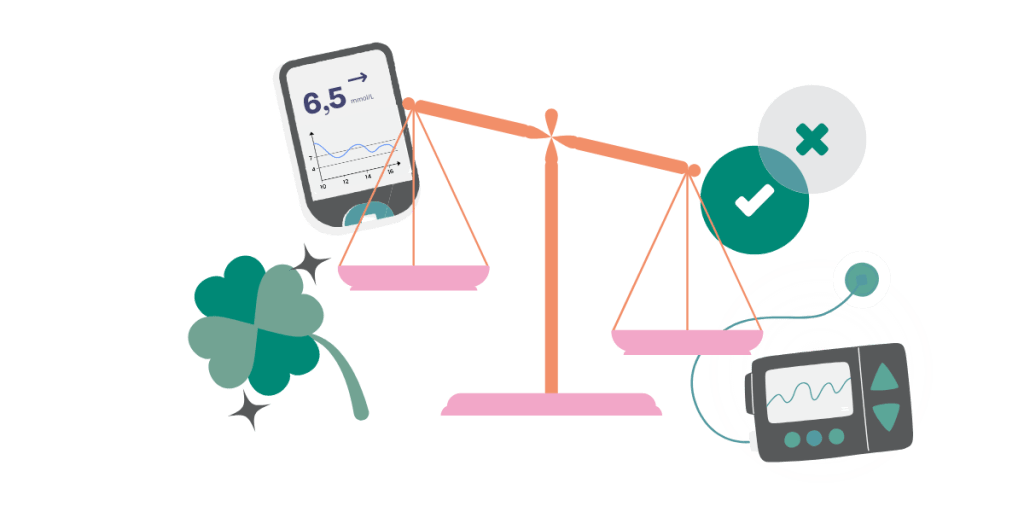
Social inequalities and use of technologies
Key points: This study conducted with over 2,300 adults enrolled in the BETTER registry reveals that the use of technologies such as insulin pumps and glucose sensors varies according to income, education, insurance coverage, and ethnic background. People facing multiple social disadvantages are less likely to use these technologies and are at higher risk of complications such as elevated HbA1c, severe hypoglycemia, or hospitalizations.

Medical ID
Key points: 42% of participants in the registry wear a medical ID for type 1 diabetes. Factors associated with this decision include being female, experiencing less diabetes-related distress, and perceiving less stigma. Conversely, those who do not wear an ID report a stronger fear of being stigmatized.

Barriers to physical activity
Key points: Despite technological advances, fear of hypoglycemia remains the main barrier to physical activity among adults living with type 1 diabetes. Being female, having a low income, excess weight, or taking medication for depression are also linked to more barriers. As a result, technology alone is not enough; educational and behavioral support remains essential.

Low-carb diets
Key points: Low-carbohydrate intakes are associated with higher probabilities of reaching HbA1c target. No associations with hypoglycemia frequency, nor cardiovascular risk factors were observed.

Stigma related to T1D
Key points : Stigma varies by age and gender, underscoring the need for targeted interventions to reduce it. Challenging stereotypes and reducing stigma-related stressors are essential for better outcomes.

Risk factors and cardiovascular protection
Key points: There are certain limitations in treatment adherence for cardiovascular prevention, and achieving the goals is still suboptimal
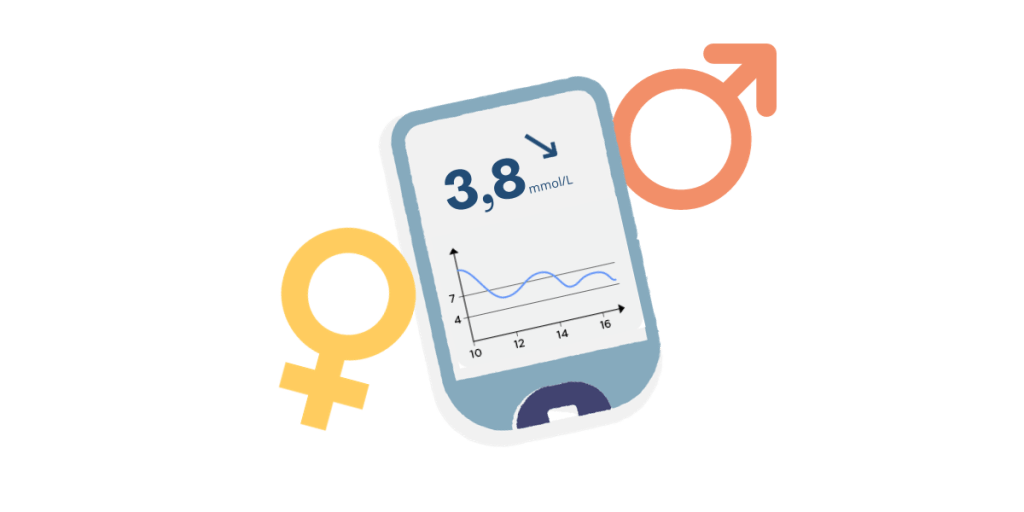
Frequency and consequences of hypoglycemia by gender
Key points: Individuals who identify as female report a higher frequency of hypoglycemic episodes and their associated consequences, along with an increased psychological burden following these events.

Overweight and obesity
Key points : People living with T1D and overweight or obesity face unique challenges. Excess weight can lead to insulin resistance, making blood sugar management even more difficult and increasing the risk of T1D-related complications

Prevention of nocturnal hypoglycemia
Key points: Depending on the technologies used (insulin pump, continuous glucose monitors), the strategies employed to prevent nocturnal hypoglycemia vary.

Prevention of hypoglycemia related to physical activity
Key points: Individuals who identify as men more frequently use snacks to prevent hypoglycemia related to physical activity compared to those who identify as women.
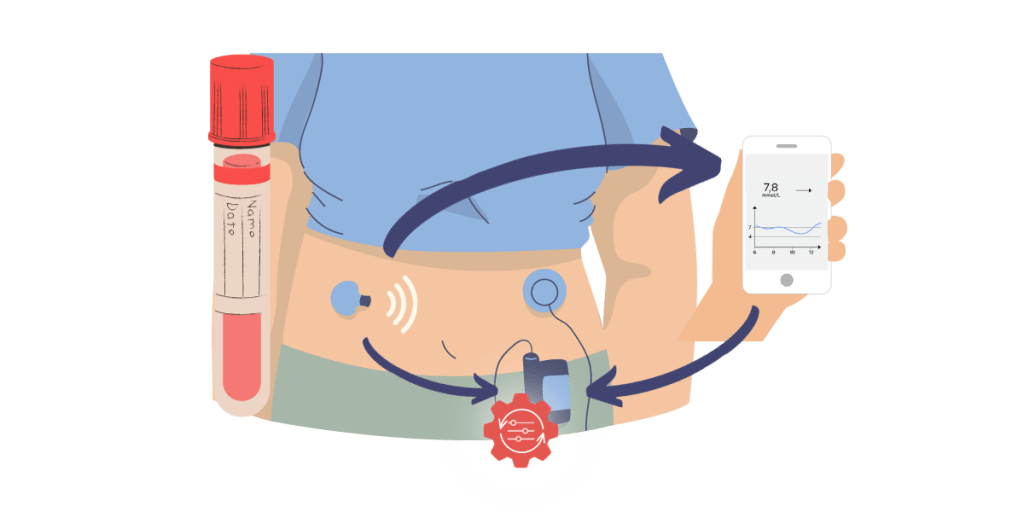
Characteristics Associated with A1c ≤ 7% for Users of Automated Insulin Pumps
Key Points: Training support remains essential to promote optimal glucose management for users of hybrid closed-loop systems (or artificial pancreas).

Socioeconomic status and complications of type 1 diabetes
Key points: Despite the presence of public insurance, a lower socioeconomic status is associated with an increased risk of complications.

Reported vs. laboratory-measured glycosylated hemoglobin (HbA1c)
Key points: Individuals living with type 1 diabetes can reliably report their latest HbA1c result.

Definition of severe hypoglycemia
Key points: A simplified definition of severe hypoglycemia (low blood sugar that cannot be treated independently) works just as well as the medical definition.

The burden of hypoglyceamia
Key points: Hypoglycemia remains a prevalent burden despite the relatively widespread adoption of technologies (insulin pumps, continuous glucose monitors).
PUBLICATIONS FROM THE SUPPORT PLATFORM
Here are some research conducted to develop and evaluate our Support platform that has been published.

Development of the Support platform
Key points: Support is the first evidence-based self-guided web application for adults living with type 1 diabetes.

Adaptation of the Support platform for youth
Key points: Studying the needs of youth in relation to the transition to adult care for adapting our Support training platform.

Evaluation of the Support platform
Key points: Support helps reduce the number of hypoglycemic events and associated fear while increasing confidence in glycemic management.
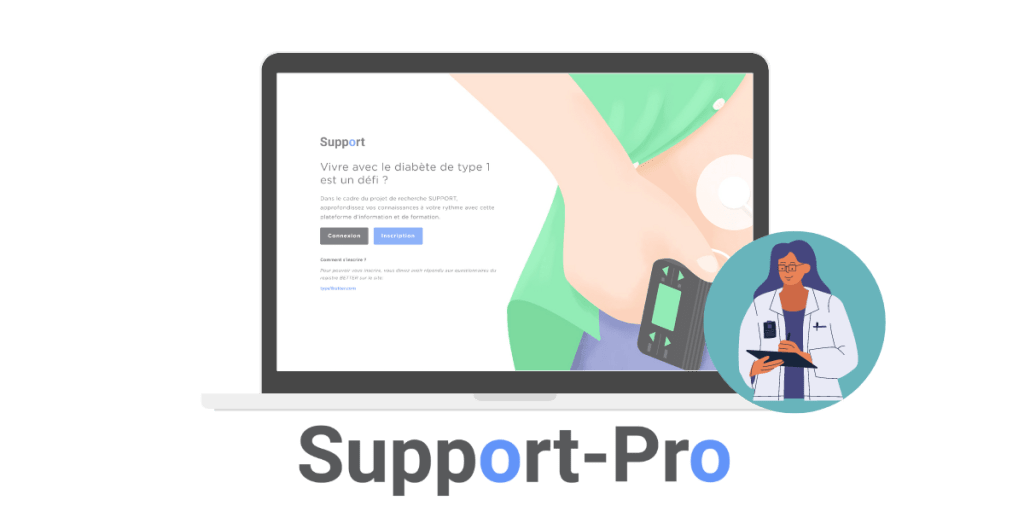
Evaluation of the Support-Pro platform for healthcare professionals
Key points: Support-Pro, the adaptation of our Support platform for healthcare professionals, has shown that it improves their confidence and knowledge in treating individuals living with Type 1 diabetes.
PUBLICATIONS FROM OUR CLINICAL RESEARCH
The following clinical studies have been published as part of the project.

Treatment of hypoglycemia for automated insulin pumps
Key points: The 15g/15min recommendation for hypoglycemia treatment was neither excessive nor optimal for individuals using automated insulin pumps.

Comparison of nasal vs. injectable glucagon
Key points: Nasal glucagon is faster, easier, and better administered than injectable glucagon. It should be preferred in pediatric settings, especially in schools.

Treatment of non-severe hypoglycemia
Key points: For some impending episodes of non-severe hypoglycemia, people may benefit from taking carbohydrates at a higher blood glucose level.