




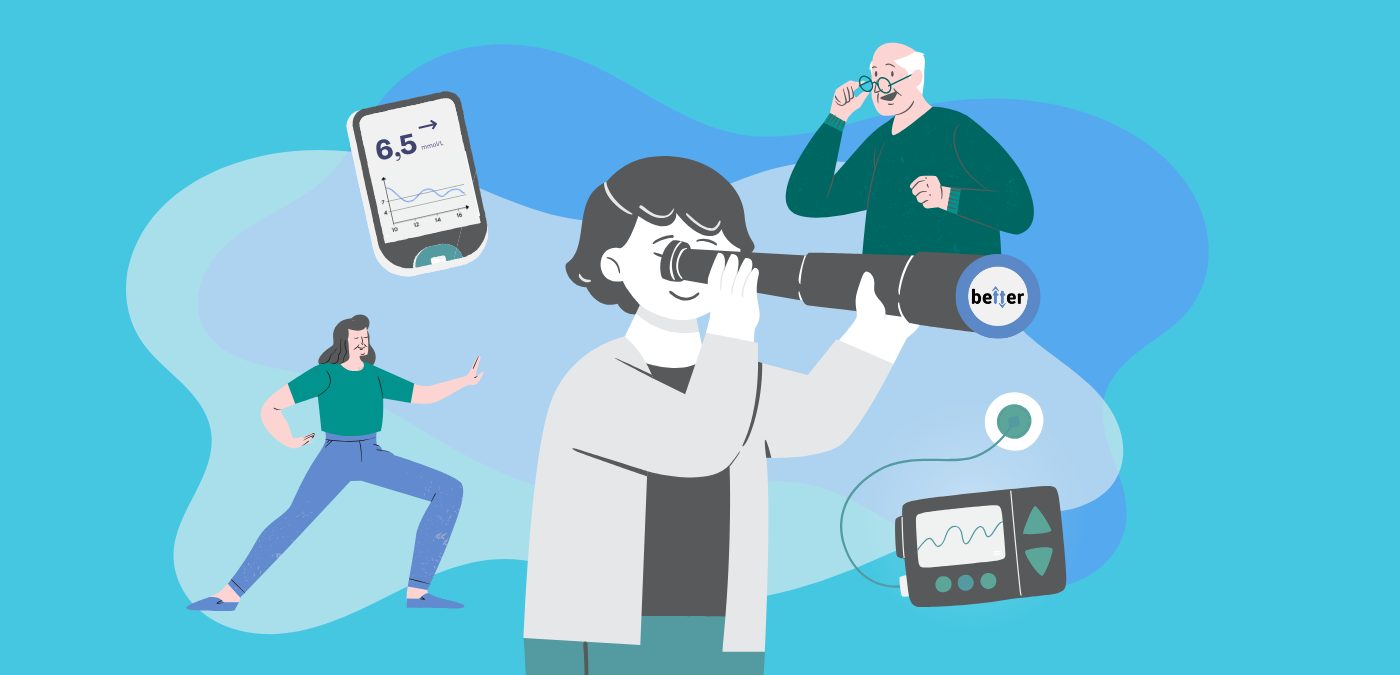
For people managing type 1 diabetes (T1D), hypoglycemia, or low blood sugar, is a common concern. While its physical symptoms are well known, its emotional and psychological burdens, such as fear of hypoglycemia, are less recognized. Moreover, recent technological advances, such as real-time or intermittently-scanned Continuous Glucose Monitoring or CGM (Dexcom, FreeStyle Libre and Guardian) and automated insulin delivery systems or AID systems (Tandem Control IQ and Medtronic 670, 770 and 780G), have shown that they can improve blood glucose levels and reduce hypoglycemia frequency, but their impact on the fear of hypoglycemia is less clear.
To fill this knowledge gap, Canadian researchers, led by members from the BETTER project, have recently reviewed over 50 studies with close to 9,000 participants from all over the world and found that diabetes technology is a useful tool to reduce the fear of hypoglycemia. But it is not a one-size-fits-all solution.
Technologies reduce the burden of fear of hypoglycemia
Researchers found that the use of real-time CGMs (which automatically display blood glucose levels without requiring any manual sensor scanning by the user) and AID systems have helped to significantly reduce the fear of hypoglycemia. These technologies provide real-time feedback and more flexibility, thereby alleviating the constant worry about sudden drops in blood sugar levels.
Additionally, the authors of the review found that the reported reduction in fear of hypoglycemia with the use of diabetes technology was not always associated with a decrease in frequency of hypoglycemia and/or time spent below glucose target range (below 4 mmol/L). This indicates that the use of technology can offer an additional benefit extending beyond glucose management.
Combining technology with tailored interventions to meet the individual needs
The review also highlighted another important consideration: the impact of technology can vary between individuals. Factors such as history with hypoglycemia, symptom awareness level, and personal motivation to use technology play a significant role in how effective these tools are in reducing worries about hypoglycemia.
While technology offers significant benefits, combining it with other psychological interventions can provide even more benefits. Cognitive Behavioral Therapy (CBT), for example, has shown promise in reducing fear of hypoglycemia-related behaviours. Such combinations can offer a more patient-centered care, especially in cases where technology alone may not be sufficient or available.
The fear of hypoglycemia: not the same for everyone
Other non-diabetes related factors such as gender may also influence one’s fear of hypoglycemia. For instance, another BETTER research project found that women with T1D often experience higher levels of fear, leading to increased mental strain and altered diabetes management. This fear can manifest in various ways, such as anxiety about public embarrassment or the vulnerability of being alone. As a result, some may limit their physical and social activities to avoid being in public during an hypoglycemia episode, which in itself can impact quality of life and may prevent some from engaging in activities they would otherwise enjoy.
Different studies, including ones related to the BETTER registry, show that more than half of people living with T1D develop some degree of fear of hypoglycemia.
As diabetes research evolves, the hope is that new findings will make T1D management less burdensome. It’s important to remember that the worries associated with hypoglycemia are significant and valid, and might not always be a topic of discussion initiated by healthcare providers. If concerns about hypoglycemia are impacting your diabetes management, don’t hesitate to discuss this with your clinician.
We also know that not everyone has access to diabetes technologies. Additionally, different technologies have limitations and might not be for everyone. The BETTER project uses the BETTER registry and research projects to learn more about the needs and experience of people with T1D in order to advocate for equitable access to diabetes care and treatment tools across Canada. Make sure to join the registry if you haven’t already!
References :
Diabetes Canada Clinical Practice Guidelines Steering Committee. (2023). Hypoglycemia in adults. Canadian Journal of Diabetes, 47(7), 548–559. https://doi.org/10.1016/j.jcjd.2023.08.003
Talbo, M. K., et al. (2023). Effect of diabetes technologies on the fear of hypoglycaemia among people living with type 1 diabetes: a systematic review and meta-analysis. eClinicalMedicine, 62. https://doi.org/10.1016/j.eclinm.2023.102119
Talbo, M., Peters, T., & Brazeau, A. (2023). Gender differences in hypoglycemia-related worries and behaviors in adults with type 1 diabetes. Canadian Journal of Diabetes, 47(7), 104. https://doi.org/10.1016/j.jcjd.2023.10.203

Written by: Meryem K. Talbo, P.Dt., M.Sc., nutrition Ph.D. student, Université McGill
Reviewed by:
- Nathalie Kinnard, scientific writer and research assistant
- Sarah Haag, R.N., B.Sc.
- Rémi Rabasa-Lhoret, M.D., Ph.D.
- Anne-Sophie Brazeau, P.Dt., Ph.D.
- Devin Cleary Gooden, Pamela Dawe, Barbara Kelly, Krystal Akanni, Darrin Davis, Roberta Ferrence, Kaitlin McBride, patient partners of the BETTER project


Sign up for our newsletter
Subscribe to stay informed about type 1 diabetes.
Upcoming Event
Participate in the BETTER registry!

First registry of people living with T1D in Canada.
Learn More