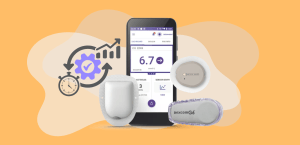
Living with type 1 diabetes (T1D) means managing blood sugar around the clock, tracking numbers, calculating insulin doses, and responding to highs and lows. For many people, automated insulin delivery (AID) systems, sometimes called “artificial pancreas” systems, have made daily management safer with less low blood sugar (hypoglycemia), more efficient with less hyperglycemia, and easier with automation of some decisions. These devices combine a continuous glucose monitor (CGM), an insulin pump, and a smart algorithm that automatically adjusts part of the insulin delivery to help maintain more stable glucose levels throughout the day and night.
Recently, some people are now switching to newer, second-generation AIDs (e.g., Medtronic 780G, Tandem Control-IQ), which give automatic correction boluses in addition to adjusting basal insulin, reduce manual adjustments, and show potential for better glucose regulation.
But beyond numbers, the key question remains: do these devices really help people living with T1D feel better in their everyday lives?
To explore this, we analyzed data from 1,731 adults across Canada who have participated in the BETTER registry, which collects real-world information on the experiences of people living with T1D. Here’s what we found.
1. Newer AIDs really do improve glucose numbers
People using second-generation AIDs were much more likely to reach the most frequently recommended optimal HbA1c target (≤7%) than with any other insulin or glucose management approach (e.g., older AID systems, pump with CGM, multiple daily injections with CGM, no CGM).
So if your goal is better glucose numbers, these newer systems offer a clear advantage.
2. Emotional and mental burden stayed high no matter the device
However, achieving target numbers doesn’t automatically make life easier. Across all treatment types, many people still experienced:
- diabetes distress (55%)
- poor sleep (63%)
- worry about highs or lows
Even people who reached an excellent HbA1c still reported high stress and poor sleep. The BETTER research group has already reported that people living with T1D frequently report poor sleep.
This highlights an important reality: better numbers alone don’t automatically mean less mental burden.
3. Higher satisfaction but stress remains
People using second-generation pumps were generally more satisfied with their treatment compared to others. Yet satisfaction does not equal freedom from stress. Device alarms, technical issues, costs, and the pressure to maintain perfect glucose numbers continue to be daily challenges for many users.
So… is a second-generation AID right for you?
A newer AID may be a great fit if you want:
- better glucose stability
- fewer highs and fewer lows
- less manual work
But it’s important to remember, however, that these devices do not eliminate the emotional or mental challenges of living with T1D. Users may still experience device alarms, occasional frustration, and the ongoing stress that can persist even when glucose numbers improve.
Take-home messages
Second-generation AIDs can help improve glucose outcomes, helping people living with T1D reach target HbA1c levels more consistently than other insulin delivery methods. They reduce the need for constant manual adjustments and can make day-to-day diabetes management smoother.
However, living with T1D still involves a lot of daily adjustments and is far more than managing blood sugar numbers. Even with advanced technology, many people continue to experience stress, worry, disrupted sleep, and the mental load of managing their condition. Additional or new technology, as well as the pressure to maintain “perfect” glucose levels all contribute to this ongoing burden.
The key takeaway is that while technology can help improve health outcomes, it does not replace the need for support, whether that’s emotional support, education, or strategies to manage stress. Well-being matters just as much as numbers, and it’s important to acknowledge and address the emotional challenges of living with T1D alongside managing glucose. Future AID systems should strive to relieve the disease management burden beyond improving blood sugar numbers.
Reference: Wu Z, Alexandre-Heymann L, Lebbar M, Talbo MK, Bandini A, Chahal T, Grou C, Messier V, Boudreau V, Brazeau AS, Rabasa-Lhoret R. Despite lower haemoglobin A1c with second-generation automated insulin delivery systems, mental burden remains high for all adults with type 1 diabetes: A BETTER registry analysis. Diabetes Obes Metab. 2026 Feb;28(2):1150-1159. doi: 10.1111/dom.70299. Epub 2025 Nov 18. PMID: 41250885; PMCID: PMC12803586.