




Our Team
Investigators

Rémi Rabasa-Lhoret, MD, PhDCo-Founder and Co-Director of the BETTER project.
Dr. Rémi Rabasa-Lhoret is an endocrinologist at the Montreal Clinical Research Institute (IRCM) and the University of Montreal Hospital Center (CHUM). He serves as the Director of the Diabetes Clinic and the Metabolic Disease Research Unit at IRCM, and he is a Full Professor at the University of Montreal. Dr. Rabasa-Lhoret is a member of the Canadian Academy of Health Sciences, the Director of the Professional Council of Diabetes Quebec, and Vice-President at IRCM. His research program on type 1 diabetes primarily focuses on reducing the frequency and impact of hypoglycemia. He is also actively involved in advocating for the rights of people living with diabetes, in training healthcare professionals, and in scientific communication for the general public.

Anne-Sophie Brazeau, RD, PhDCo-Founder and Co-Director of the BETTER project
Anne-Sophie Brazeau is an Associate Professor and the Director of the Dietetics Program at the School of Human Nutrition at McGill University. She is a registered dietitian and a member of the Ordre des diététistes nutritionnistes du Québec (ODNQ). Her research program focuses on type 1 diabetes and how to support individuals in their self-management of the condition. She has a particular interest in nutrition and how it aligns with emerging diabetes technologies.

Nadine Taleb, MD, PhDPrincipal Investigator. Expertise in LADA (Latent Autoimmune Diabetes in Adults).
Nadine Taleb is an endocrinologist at the Centre Hospitalier de l’Université de Montréal (CHUM) and at the clinic of the Montreal Clinical Research Institute (IRCM), director of the clinic for young adults living with diabetes at the Centre d’Expertise de Diabète at the CHUM (JA-CED). She is assistant clinical professor at the University of Montreal and clinical researcher, cardiometabolic axis of the Research Center CR-CHUM. She has participated in and published several studies on the management of type 1 diabetes, particularly the prevention and treatment of hypoglycemia using technology. Her current research program addresses the issue of heterogeneity in diabetes; including atypical phenotypes and presentations of autoimmune diabetes in adults, sometimes referred to as LADA. This program seeks to better classify autoimmune diabetes subtypes, improve screening strategies; understand the respective risks of developing acute and chronic complications, explore personalized management strategies and preserve beta cell function for as long as possible.
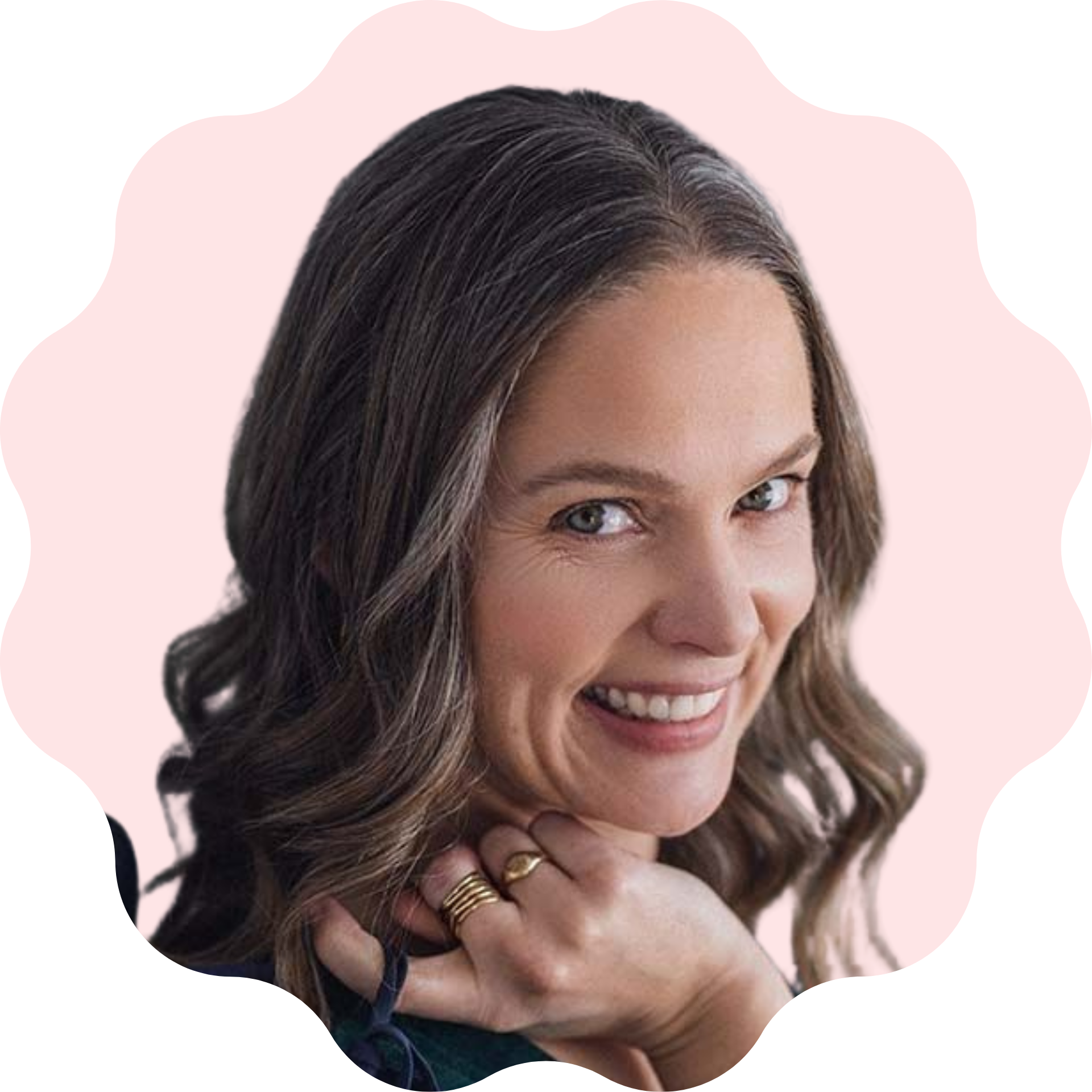
Jane Yardley, PhDPrincipal Investigator. Expertise in physical activity and type 1 diabetes, with a focus on gender-specific considerations.
Jane Yardley, PhD, is an Associate Professor of Kinesiology at the University of Montreal and the Director of the Research Unit in Physical Activity and Diabetes at the Montreal Clinical Research Institute. Her early work focused on blood glucose responses to resistance exercise, and the impact of prandial status (fasted vs. fed) on these responses in individuals with type 1 diabetes. Her recent work has focused on sex and gender-related differences in exercise behaviours and blood glucose responses to exercise in people with type 1 diabetes, with a particular emphasis on menses and menopause. Her work is cited in exercise guidelines created by Diabetes Canada, Diabetes UK, the International Society for Pediatric and Adolescent Diabetes, and the American Diabetes Association. She is a co-author of the 2016 American Diabetes Association Consensus Statement on Exercise and Physical Activity in diabetes, and the 2025 and the European Association for the Study of Diabetes Position Statement on the Use of Automated insulin Delivery around Physical Activity and Exercise in Type 1 Diabetes.

Claudia Gagnon, MDPrincipal Investigator. Expertise in bone health and type 1 diabetes.
Claudia Gagnon is an endocrinologist at the CHU de Québec-Université Laval hospital, a researcher at the Research Center of the CHU de Québec-Université Laval and at the Research Center of the Institut universitaire de cardiologie et de pneumologie de Québec and Associate Professor in the Department of Medicine of the Faculty of Medicine of Laval University. She is one of the principal investigators of the BETTER project at CHU de Québec-Université Laval. She is particularly interested in the bone health of people living with type 1 diabetes. Her work also touches on the impact of obesity, type 2 diabetes, and bariatric surgery on bone health. Dr. Gagnon has received several awards for her research, including the 2019 Young Investigator Award of the Canadian Society of Endocrinology and Metabolism, the 2017 Research Award of the Fédération des médecins spécialistes du Québec (FMSQ), and an award at the International Symposium on Nutritional Aspects of Osteoporosis, in 2015.

Mélanie Henderson, MD, PhDPrincipal Investigator. Expertise in cardiometabolic health, obesity.
Mélanie Henderson is a pediatric endocrinologist – researcher at CHU Sainte-Justine holding a doctorate in epidemiology from McGill University. Her research interests focus on metabolic health, cardiovascular disease and the etiology of childhood obesity, and their prevention. She is particularly interested in the influence of lifestyle habits (physical activity, sedentary lifestyle, diet, sleep) on metabolic health, in various populations, including healthy children, as well as those with diabetes (type 1 and type 2). She is also co-director of the CIRCUIT center at CHU Sainte-Justine (Pediatric Center for Cardiovascular Prevention and Rehabilitation), which proposes innovative strategies for the treatment or prevention of cardiovascular diseases in children.

Meranda Nakhla, MD, M.Sc.Principal Investigator. Expertise in transitioning care from pediatric to adult services.
Dr. Meranda Nakhla is a Pediatric Endocrinologist, McGill University Associate Professor and Fonds de recherche en santé du Québec (FRQS) Clinician Scientist at the Montreal Children’s Hospital, McGill University Health Centre. She is a health services researcher whose research focuses on healthcare access and use in children and adolescents with type 1 diabetes. She has expertise in health outcomes using health administrative data and in conducting trials to improve the transition from pediatric to adult diabetes care. The results of her studies aim to identify the healthcare needs of children and youth with diabetes and ultimately help to inform how best to deliver diabetes care, including transition care for emerging adults. She is the recipient of FRQS Chercheur-Boursier Clinicien Senior awards and operating grants from FRQS, Diabetes Canada and Canadian Institutes of Health Research (CIHR).

Bruce Perkins, MD, MPHPrincipal Investigator. Expertise in biomarkers of diabetes complications.
Bruce A Perkins is a principal investigator and steering committee member with BETTER, interested in strategies to prevent hypoglycemia and improve the lives of those, like himself, living with type 1 diabetes. He is Professor, Endocrinologist and Diabetes Complications Clinician-Scientist at the University of Toronto appointed to the Faculty of Medicine and to the Institute of Health, Policy, Management and Evaluation. He holds the Sam and Judy Pencer Family Chair in Diabetes Clinical Research. His research work focuses on studying ways to identify and prevent diabetes complications, as well as interventions including artificial pancreas technologies, adjunctive-to-insulin therapies, and strategies to preserve and replace insulin production. He was awarded the Canadian Diabetes Association/CIHR Young Scientist Award for his research and the Gerald S. Wong Award from Diabetes Canada for his service to the diabetes community. Among other projects funded by the NIH, JDRF, and Diabetes Canada, he co-leads an Innovations in type 1 Diabetes group within Diabetes Action Canada, a national patient-oriented research strategy.

Peter Senior, BMedSci (Hons), MBBS (Hons), PhD, FRCP(E), FRCPPrincipal Investigator. Expertise in Islet Transplantation.
Dr. Peter Senior is the Director of the Alberta Diabetes Institute, the Charles A. Allard Chair in Diabetes Research, and a Professor of Medicine at the University of Alberta. He also serves as the Medical Director of the Clinical Islet Transplant Program and as an endocrinologist for Alberta Health Services in Edmonton. His research and clinical expertise focus on type 1 diabetes, hypoglycemia, diabetic kidney disease, and islet transplantation. Dr. Senior has published approximately 200 scientific articles and received the Gerald Wong Service Award from Diabetes Canada in 2020 for his contributions to diabetes research, clinical care, organization, and advocacy. He is also involved in supporting youth with type 1 diabetes as the Medical Director of Alberta D-Camp.
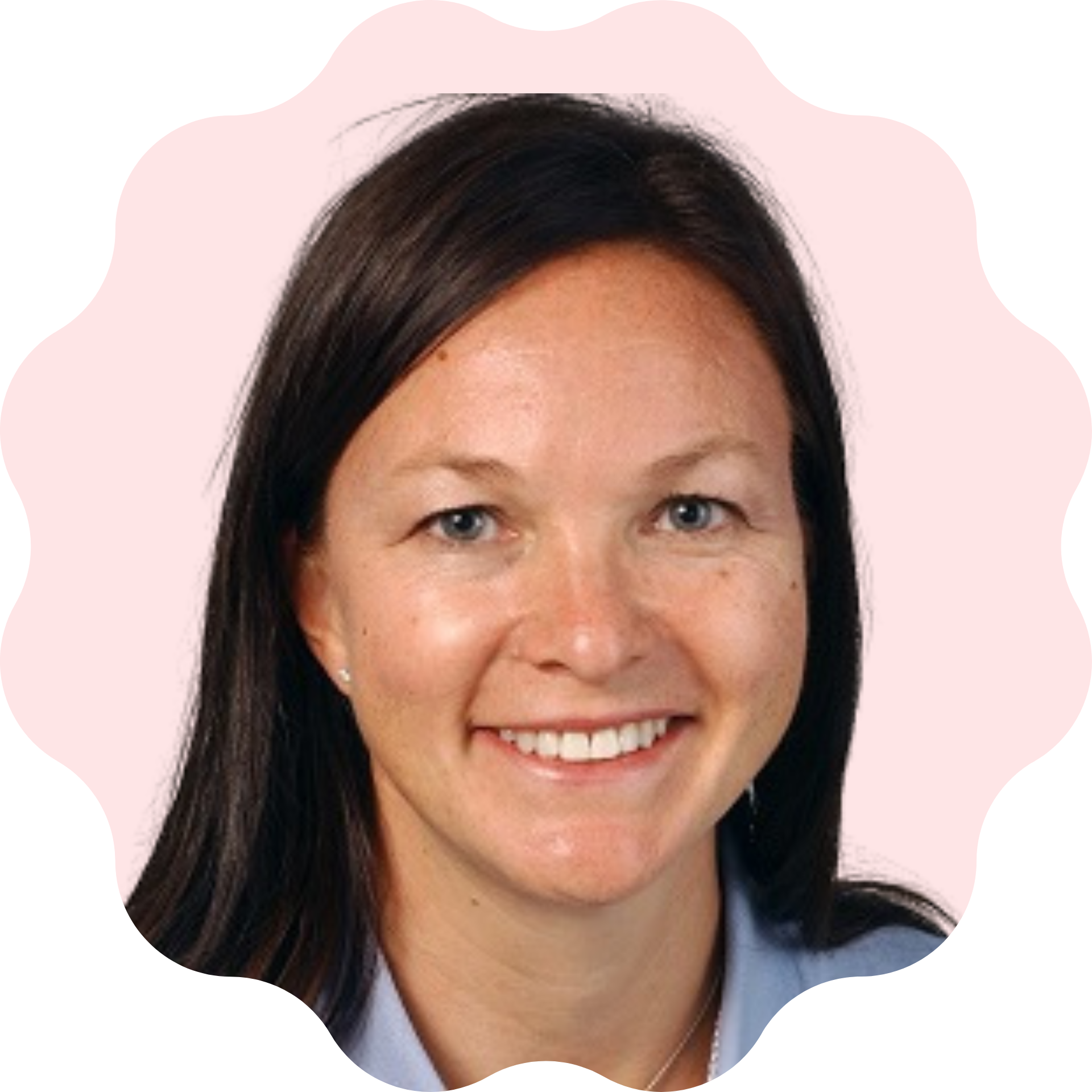
Judith Simoneau-Roy, MD, FRCPC Principal Investigator. Expertise in pediatrics.
Dr. Judith Simoneau-Roy obtained her medical degree in 1996 from Université de Sherbrooke and subsequently specialized in pediatrics (Université de Sherbrooke, 2000) and pediatric endocrinology at CHU Sainte-Justine (Université de Montréal, 2002). She then completed clinical research training at the Hospital for Sick Children in Toronto, under the supervision of Drs. Hamilton, Daneman and Berall (Institute of Medical Sciences, University of Toronto, 2003–2005). Her studies focused on appetite regulation and insulin resistance in children with hypothalamic obesity. She has been working as a pediatric endocrinologist at CIUSSS-Estrie CHUS since 2005, has been an Associate Professor since 2009 at the Faculty of Medicine and Health Sciences at Université de Sherbrooke, and served as Chief of the Endocrinology Division in the Department of Pediatrics from 2011 to 2019. She also obtained a graduate certificate in Performance Management Applied to the Health System in 2014 (Green Belt Sigma training, UQTR). She actively collaborates on various clinical research projects in obesity, metabolic syndrome, and pediatric type 1 and type 2 diabetes.
OTHER COLLABORATEURS
- Aude Bandini, PhD
- Jean-Marie Boutin, MD, PhD
- Ian Blumer, MD
- André Carpentier, MD, MSc
- Kaberi Dasgupta, MD, MSc
- Sylvain Iceta, MD, PhD
- Laurent Legault, MD
- Tricia Peters, MD, PhD
- Eric Racine, PhD
- Monia Rekik, Ing, PhD
- Yves Robitaille, MD
- Alanna Weisman, MD, PhD
- Cathy J. Sun, MD, MSc, FRCPC
- Lorraine Lipscombe, MDCM, MSc, FRCPC
- Geetha Mukerji, MD, MSc, FACP, FRCPC
- Meryem K. Talbo R.D., M.Sc., PhD
Patient Partners

Krystal Akanni, Saskatchewan
Krystal’s life was touched by type 1 diabetes (T1D) when her daughter was diagnosed in 2021, at age 7. She looks forward to assisting the Better project by sharing her experience and perspective as a caregiver to a child with T1D, and to contribute to meaningful and impactful research and resource development for T1D. Krystal has a Bachelor of Social Work Degree and a Certificate in Business Administration.

Aude Bandini, Quebec
Aude was diagnosed with type 1 diabetes in 1991. She teaches at the Université de Montréal . With the team of researchers and patients of the BETTER project, she would like to help people living with type 1 diabetes find simple, effective, safe ways to avoid and overcome hypoglycemia.

Terry Banks, Alberta
Terry was diagnosed with type 1 diabetes (T1D) in 1955 at age 10, and has spent over 68 years dealing with hypoglycemia. He has two sons who were both diagnosed with T1D over 35 years ago. His ex-wife was diagnosed over 30 years ago. Terry is a patient partner because T1D has had a continuous presence in his life (kidney transplant 14 years ago, blind in one eye for 34 years). He would like to help develop a societal recognition of the effects T1D, and particularly hypoglycemia, have on the lives of those living with this condition. Terry retired in 2008 after a 38-year career as a real estate broker.

Devin Cleary Gooden, Ontario
Devin has been living with type 1 diabetes (T1D) for 20 years and is actively involved in a variety of research projects as both a researcher/author and patient partner. She is passionate about peer mentorship and connection for people living with diabetes, and has worked with Diabetes Canada, JDRF, the World Health Organization, and Diabetes Action Canada over the past seven years. Additionally, she runs a diabetes website, called “The Ultimate Diabetes Guide“, sharing her personal stories, tips and tricks for other people with T1D.

Darrin Davis, Manitoba
Darrin was diagnosed with type 1 diabetes (T1D) in 1974. He has been fortunate to have access to world class care and strong family and social support on his journey with T1D. He dreams of a world without diabetes and he wants to help bring it about. On the path to that vision, he wants to support initiatives that lead to better therapies and better lives for people with T1D.

Pamela Dawe, Newfoundland
Pamela was diagnosed in 2012 with latent autoimmune diabetes of adults (LADA) at 41 years of age. She is a registered nurse and has worked her whole career in public health. Pamela is passionate about staying healthy and fit and is always actively seeking new information to have a better understanding of balancing diabetes and physical activity. As a patient partner, she feels that she can contribute a wealth of knowledge that she has gained over the years especially in relation to physical activity, and also learn from the rest of the team.

Domitille Dervaux, Quebec
Psychomotrician and doctoral student in family sciences, Domitille is committed to research and improving the health conditions and quality of life of children, adolescents and adults living with diabetes and their loved ones.
She is the mother of a 7-year-old boy who lives with type 1 diabetes. She is enthusiastic to be a patient-partner as a parent to raise awareness and promote the Better Registry across Quebec and Canada and give voice to the parents of children living with type 1 diabetes.

Michel Dostie, Quebec
Michel Dostie has had ype 1 diabetes for nearly 30 years and wants to highlight the importance of a social approach to diabetes and a reflection on its sociological, ethical and political aspects. He would like to contribute to better access to the latest advances in the treatment of type 1 diabetes and to the empowerment of those who must manage this condition.

Amelie Eloundou, Quebec
Amélie received her diagnosis of LADA diabetes in November 2010. With a background in accounting, she currently holds a position as a senior analyst at Revenu Québec.
She has three passions: diabetes, life, and pleasure. Her curiosity to demystify diabetes, with its different characteristics in each person, motivated her to become a patient partner. She hopes to have a broader understanding of this lottery that is reserved for special individuals and, above all, to make her own contribution so that diabetes is no longer a chronic disease. According to her: “As long as there is life, there is hope.”

Roberta Ferrence, Ontario
Roberta Ferrence is a retired epidemiologist who has focused on addictions and specifically tobacco use. She has expertise in survey research, research methods, and population health. She was diagnosed with latent autoimmune diabetes of adults (LADA) in 2011, and has acquired a fair bit of knowledge on the disease since then. She currently runs a Bed & Breakfast in Guelph (Ontario) and enjoys visiting her kids and grandson.

Chloe Freslon, Quebec
Chloé was diagnosed with type 1 diabetes in 2022. Since then, she has been actively involved in several clinical studies, driven by a desire to contribute to research progress. As the founder of a company specializing in equity, diversity, and inclusion (EDI), she is particularly attuned to issues of accessibility, representation, and social justice in our society. For her, speaking openly about diabetes and disability is also a way to advocate for a more inclusive world. Outside of her professional and personal commitments, Chloé enjoys setting herself athletic goals to push beyond her comfort zone.

Barbara Kelly, British-Columbia
Barb lives in Vancouver and was diagnosed with type 1 diabetes (T1D) just before her 10th birthday in 1974. She remembers the days of urine testing and sterilizing glass syringes. In addition to seeing many changes in the treatment of T1D in Canada, she has participated in many clinical trials and questionnaires, including having three islet cell transplants in Edmonton. Barb has never let her diabetes hold her back; she has two degrees, a post-grad certificate, is physically active (most recently with gym workouts, field hockey, and skiing), and has two grown children. She was lucky enough to get a Diabetic Alert Dog Guide from the Lions Foundation of Canada.

Claude Laforest, Quebec
Claude has been living with type 1 diabetes since 1984. He studied Automated Production Technology and worked in industrial engineering. He has developed a keen interest in science and is now particularly interested in climate change. With the Better project, Claude wants to help reduce the mental burden of people living with type 1 diabetes by developing self-management tools that are useful in everyday life.

Laurie Lepine
Laurie was diagnosed with type 1 diabetes at the age of 11 in 2013. With resilience, she found strength in her involvement within the type 1 diabetes community, which helped her navigate life with the condition. Her dedication to advocacy earned her the FRDJ National Young Volunteer of the Year Award in 2017 and the Youth Personality Award at the Gala des Masson in 2018.
As a Peer Leader, she contributed to the research project Supporting and Incentivizing Peer Leaders for an Internet-Based Private Peer Community, leading to her participation in the Diabetes Canada Conference 2024. Passionate about driving change, she has also been involved with Diabetes Action Canada since 2025.
Now a pediatric occupational therapist (M.Sc.), Laurie is committed to raising awareness and reducing the stigma surrounding type 1 diabetes. As a BETTER patient partner, she hopes to help lessen the burden of diabetes management and its impact on mental health in everyday life.
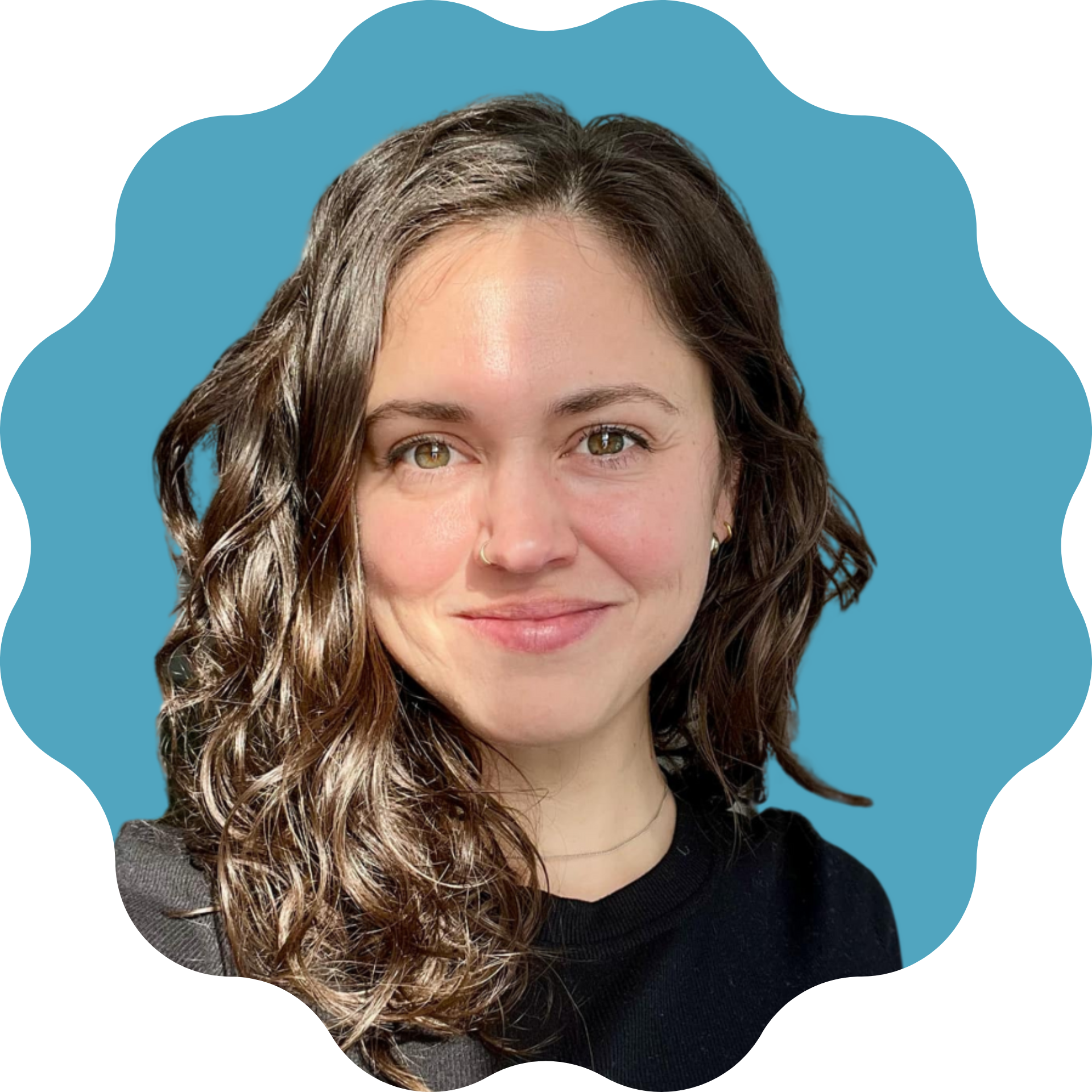
Jade Maria Moisan, Quebec
Diagnosed with type 1 diabetes during adolescence, Jade Maria has cultivated a deep curiosity and passion for learning. Her background combines psychoeducation, management, digital communications, and scientific research. Currently pursuing a master’s degree in Information Science at the University of Montreal, she is also a member of the UNESCO Chair in Open Science and the CIRST. A mother of three, she believes that balance is found through movement and engagement. By joining the BETTER project, Jade hopes to contribute to improving knowledge about type 1 diabetes and to inspire young girls and women living with diabetes to believe in their limitless potential.

Tara Nassar, Manitoba
Tara received a diagnosis of type 1 diabetes (T1D) 23 years ago, when she was 8 years old. Growing up, Tara enjoyed attending, and then volunteering as a counselor at D-Camp. Tara is a Registered Psychiatric Nurse in Manitoba. She is currently completing her master’s degree, with a focus on increasing/improving access to youth mental health services. Being fortunate enough to enjoy improved diabetes management technology, Tara recognizes this access is not equitable or available to all. It is her goal to contribute to T1D research and advocacy efforts so T1Ds can live long and healthy lives. She is an avid fan of her family (including her dog Ginger) and traveling.

Jacques Pelletier, Quebec
Jacques has had type 1 diabetes for about 40 years. As a patient, he has been with the Montreal Clinical Research Institute (IRCM) for several years and has been involved in many research projects on various aspects of diabetes. In addition, he was a human resources administrator for twenty years in Quebec research institutes. He hopes that his experience as a patient with type 1 diabetes and his professional experience will be a positive contribution to the success of the BETTER project.

Eve Poirier, Quebec
Eve Poirier has been living with type 1 diabetes (LADA) since 2018. She was diagnosed late in life, in her 40s. She explains her involvement in the BETTER project by her curiosity to learn more about type 1 diabetes by participating in the various studies of the IRCM but also to facilitate access to educational tools in order to have a better understanding of the disease and the impacts in the daily life of a patient (including his entourage) and health professionals.

Andréane Vanasse, Quebec
Since she was diagnosed with type 1 diabetes at the age of 16, Andréane has been involved, particularly with children and adolescents, in several projects as a volunteer and as a professional since she is now a clinical nurse. She likes to try out all the new technologies, keep up to date on new products and her eyes light up when she hears about development in the field of T1D. Since diabetes has become a very exciting topic for her, becoming a patient-partner for the BETTER team was one more opportunity to share her opinions and participate in the research team’s conversations.

Tareq Winski, British Columbia and Ontario
Diagnosed with type 1 diabetes (T1D) in 2008, Tareq has been an advocate for a more comprehensive approach to managing diabetes. While working in the Senate has offered a glimpse into the political side of diabetes, Tareq is especially keen on expanding the conversation to include a broader range of topics. Beyond medical treatments, Tareq stresses the importance of considering the sociological, ethical, and mental health dimensions of living with T1D. By advocating for better access to cutting-edge treatments and emphasizing the need for mental health support, Tareq aims to improve the quality of life for those living with T1D.
Research Staff

Virginie Messier, M.Sc.Project Coordinator
Virginie contributes to writing research program funding applications, ensures that the necessary ethical approvals for the registry are up to date, assists in supervising students, manages the registry’s database, and handles requests for access to registry data.
She earned a Bachelor’s degree in Biomedical Sciences from the Université de Montréal in 2006. She then completed a Master’s degree in Nutrition at the Université de Montréal. In 2009, she joined Dr. Rabasa-Lhoret’s research team as a research assistant.

Amélie Roy-Fleming, RD, CDE, M.Sc.Support Platform Coordinator
Amélie coordinates the development and updating of the Support training platform as well as studies aiming to show its efficacy and integration in clinical care.
Member of the Professional Order of Dietitians of Quebec since 2007 and Certified Diabetes Educator since 2010, she holds a master’s degree in nutrition, focusing specifically on physical activity in the context of type 1 diabetes. Her professional journey has then led her to work with first nation communities, as a clinician at the University of Montreal’s Clinical Nutrition Clinic and in community health at Diabète Québec.

Sarah Haag, Clinical Nurse, B.Sc.Communication Coordinator
Sarah coordinates the project’s communications, including developing and promoting content for social media, newsletters, organizing project-related events, and managing the website. She also coordinates the Francophone patient partner team.
She earned her clinical nursing diploma in France in 2011 before moving to Quebec in 2013. From 2014 to 2018, she worked at the endocrinology clinic of CHUM, where she provided follow-up and training for individuals living with type 1 and 2 diabetes. Over the years, she has developed expertise and a growing interest in training and support related to type 1 diabetes, as well as in public education and awareness about the condition.

Catherine Leroux, Dt.P., M.Sc.Research Professional
Catherine joined the BETTER team in 2020 and has since served as the coordinator of the Support training platform and the BETTER project. She is currently developing new educational content for the Support platform and also assists in supervising students and helping them set up their projects.
She holds a Bachelor’s degree and a Master’s degree in Nutrition from the University of Montreal and has been a member of the Ordre des diététistes-nutritionnistes du Québec since 2009. She has been working in the field of type 1 diabetes since 2011. With her expertise as a clinical nutritionist and research professional, she has contributed to the establishment of a specialized type 1 diabetes clinic at the Montreal Clinical Research Institute.

Cassandra Locatelli, B.Sc., PhD.Research Professional
Cassandra works on BETTER communications through blog writing, facilitating webinars, and coordinating the Anglophone patient partner team. She is currently completing her PhD in Biochemistry coming from a background of basic science research in type 2 diabetes and cardiovascular disease. She joined BETTER as an intern during her PhD to enter into clinical type 1 diabetes research and joined the team as staff shortly after. She is passionate about the process of research and enabling partnership across fields to improve science and the resulting outcomes for people with type 1 diabetes.
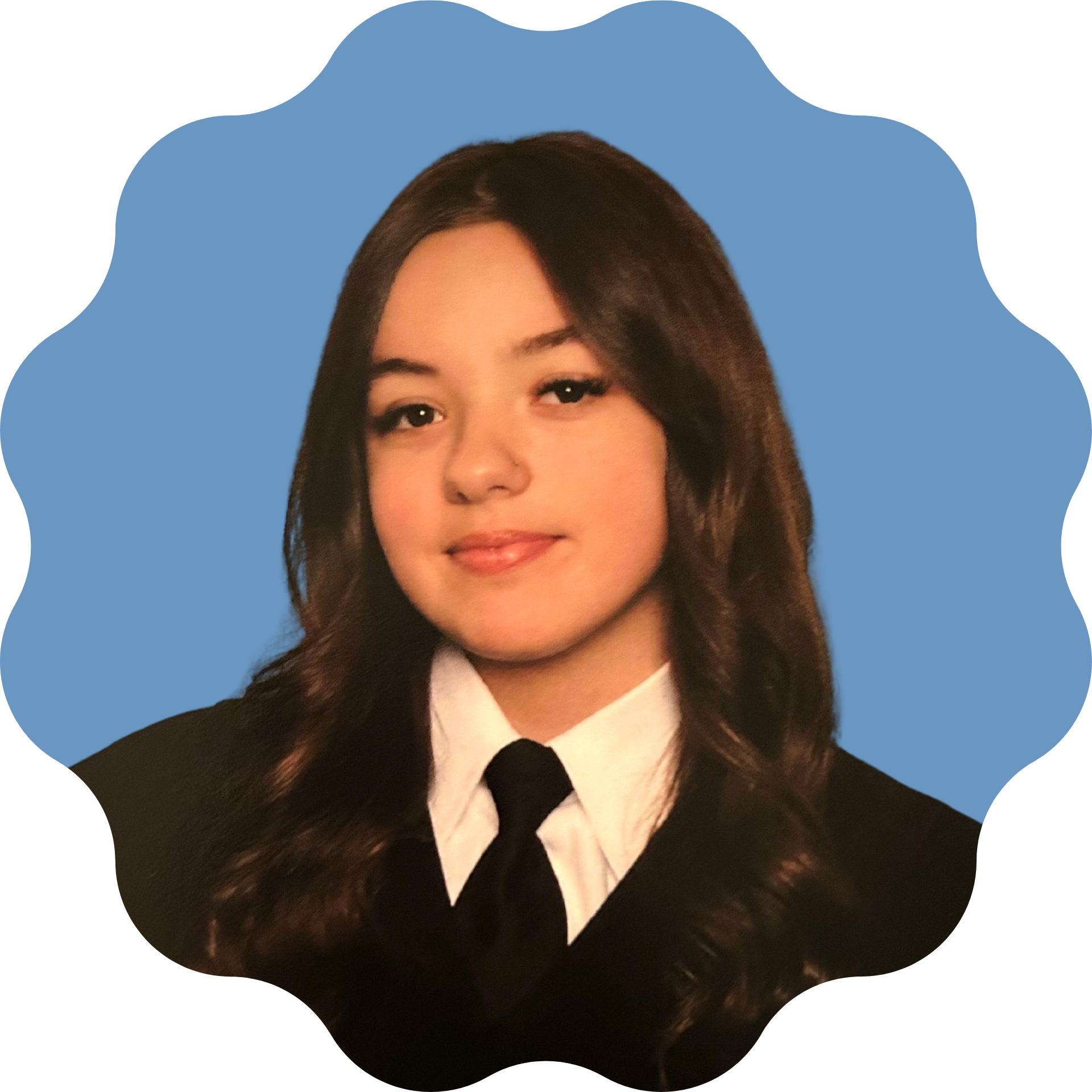
Delphine ChalifourResearch Clerk
Delphine contributes to the data entry and verification process for the BETTER registry and assists with various tasks related to its organization.
Currently completing her secondary education, she plans to further her studies in the field of science. Living with type 1 diabetes since the age of 8, she is passionate about getting involved in this area.
Students

Anne Bonhoure, M.ScNutrition PhD student, Montreal University
Anne’s PhD will focus on the emergence of obesity in people living with type 1 diabetes. Using data collected in the BETTER registry, she will be able to study the causes and possible consequences of weight gain, as well as the link between obesity and social stigma and mental health.
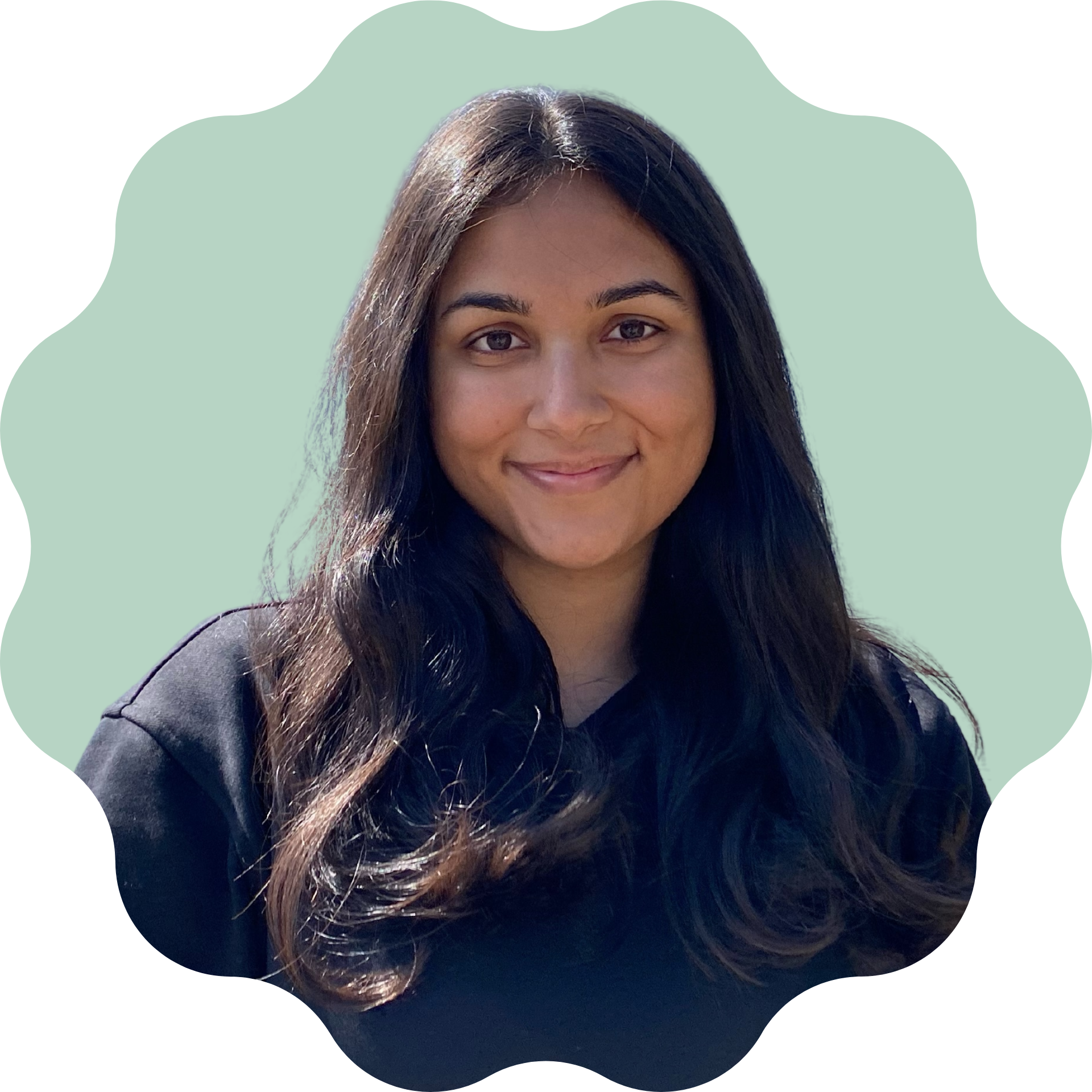
Tamanna ChahalMaster’s Student in Experimental Medicine at McGill University and at the Montreal Clinical Research Institute (IRCM)
Tamanna’s research focuses on technological advancements in the treatment of type 1 diabetes, particularly automated insulin delivery (AID) systems, also known as artificial pancreas. Using data from the BETTER registry, her research examines the association between AID systems and physical activity, with the goal of determining their effectiveness and whether these technologies facilitate physical activity in individuals with type 1 diabetes. Her research aims to provide insights that could improve diabetes management for those who are physically active.

Thélo GarréMaster’s Student in Nutrition at the University of Montreal
Thélo is also a Sports Dietitian-Nutritionist in France. He is currently working on the impact of daily step count on the management of type 1 diabetes using data from the BETTER registry. The BETTER data allows him to compare participants based on their daily step count to determine if walking more offers benefits without the drawbacks of traditional physical activity, such as hypoglycemia. This study is part of his broader project aimed at finding simple and effective solutions to improve the health of people living with type 1 diabetes.

Maha Lebbar, MD, MScPhD Candidate in the Division of Clinical and Translational Research at McGill University.
Maha Lebbar holds a Master’s degree in nutrition from Université de Montréal, with research conducted at the Institut de recherches cliniques de Montréal (IRCM). Originally from France and trained as an endocrinologist, she has a particular interest in the integration of new technologies in the management of type 1 diabetes and in participatory research. Her work focuses not only on the impact of technologies on glycemic control, but also on the quality of life of people living with this condition. Her doctoral project now aims to explore the prevention of type 1 diabetes through screening and, in the event of a diagnosis, to compare available artificial pancreas systems — including DIY systems — in terms of efficacy, safety, and quality of life.

Maya NehmeRD, Master’s Student in Biomedical Sciences at the University of Montreal
Maya’s research project focuses on Latent Autoimmune Diabetes in Adults (LADA), a heterogeneous condition that lies on the spectrum between type 1 and type 2 diabetes. LADA is often poorly understood, leading to a delay in diagnosis and suboptimal treatment. With the help of the BETTER registry, Maya aims to deepen the understanding of LADA and explore how it differs from type 1 diabetes.

Courtney South, M.Sc.Nutrition PhD student, McGill University
Courtney’s research interests include pediatrics, disordered eating behaviours and new technologies for Type 1 Diabetes management. Her projects focus on the relationship between automated insulin delivery systems, eating behaviours, and dietary intake.

Zekai Wu, MD, PhDPostdoctoral fellow, Montreal Clinical Research Institute (IRCM) & McGill University
Zekai’s project is to investigate the effectiveness and safety of novel diabetes technologies (continuous glucose monitoring, insulin pump, automated insulin delivery etc.) among people living with type 1 diabetes by using data from the BETTER Registry.
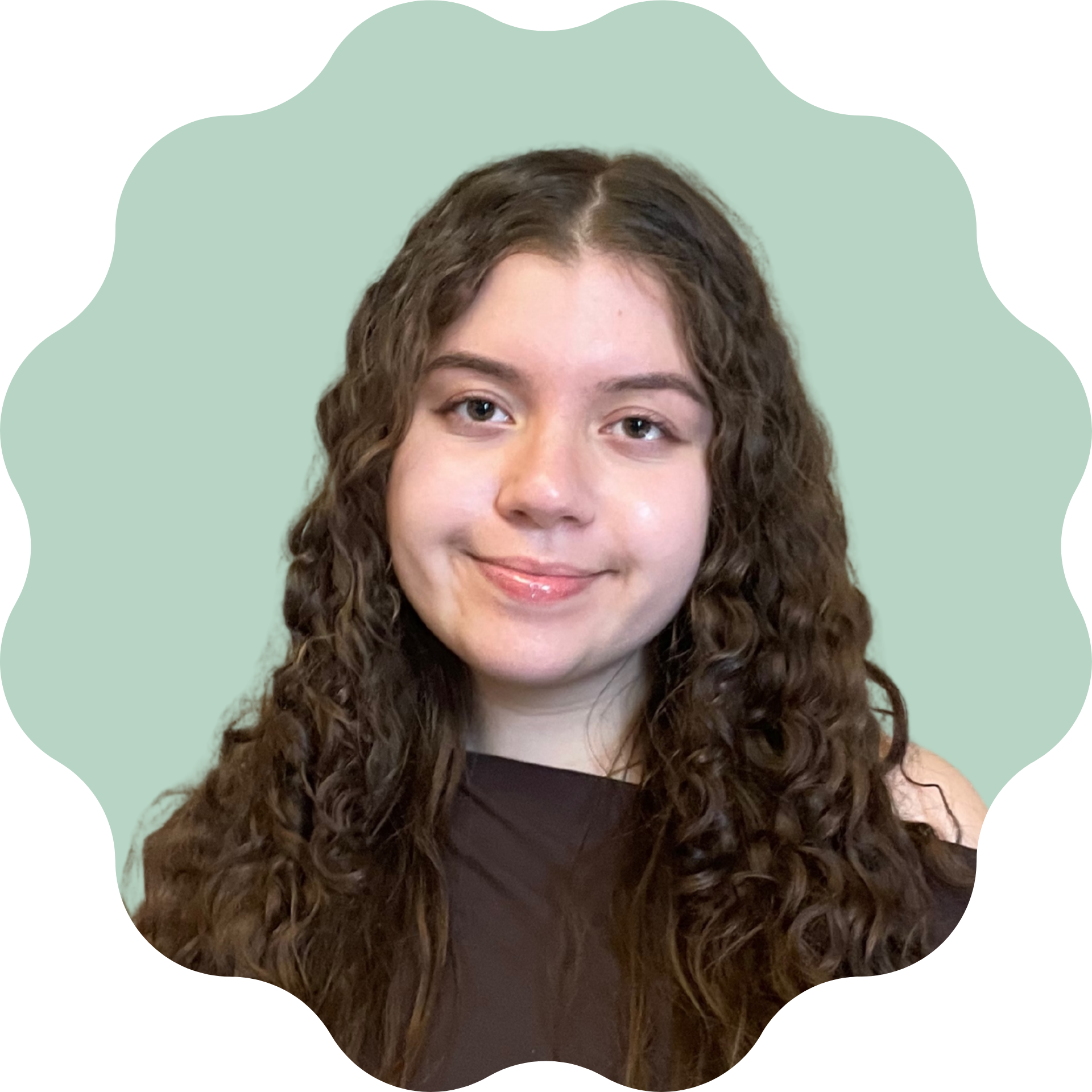
Diana Arnaoutelis, RDMaster’s in nutrition, McGill University
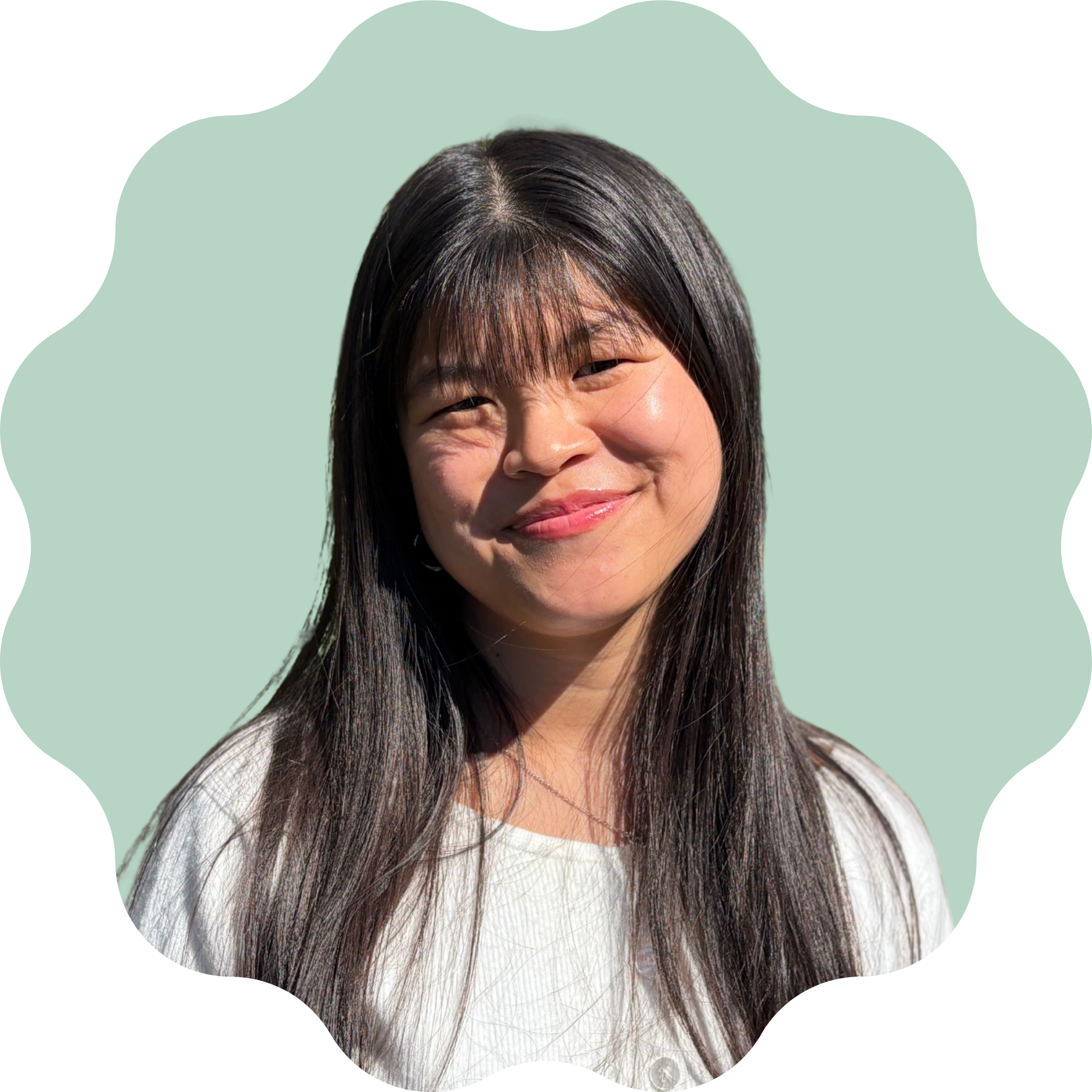
Anna Belle Tremblay Dt.P.Master’s in nutrition, McGill University
Anna-Belle’s research interests focus on digital tools for diabetes management, carbohydrate counting, and improving access to care. Her master’s project aims to validate the accuracy of carbohydrate estimation generated by a photo-based mobile application and to describe user engagement with the application to better understand its use.
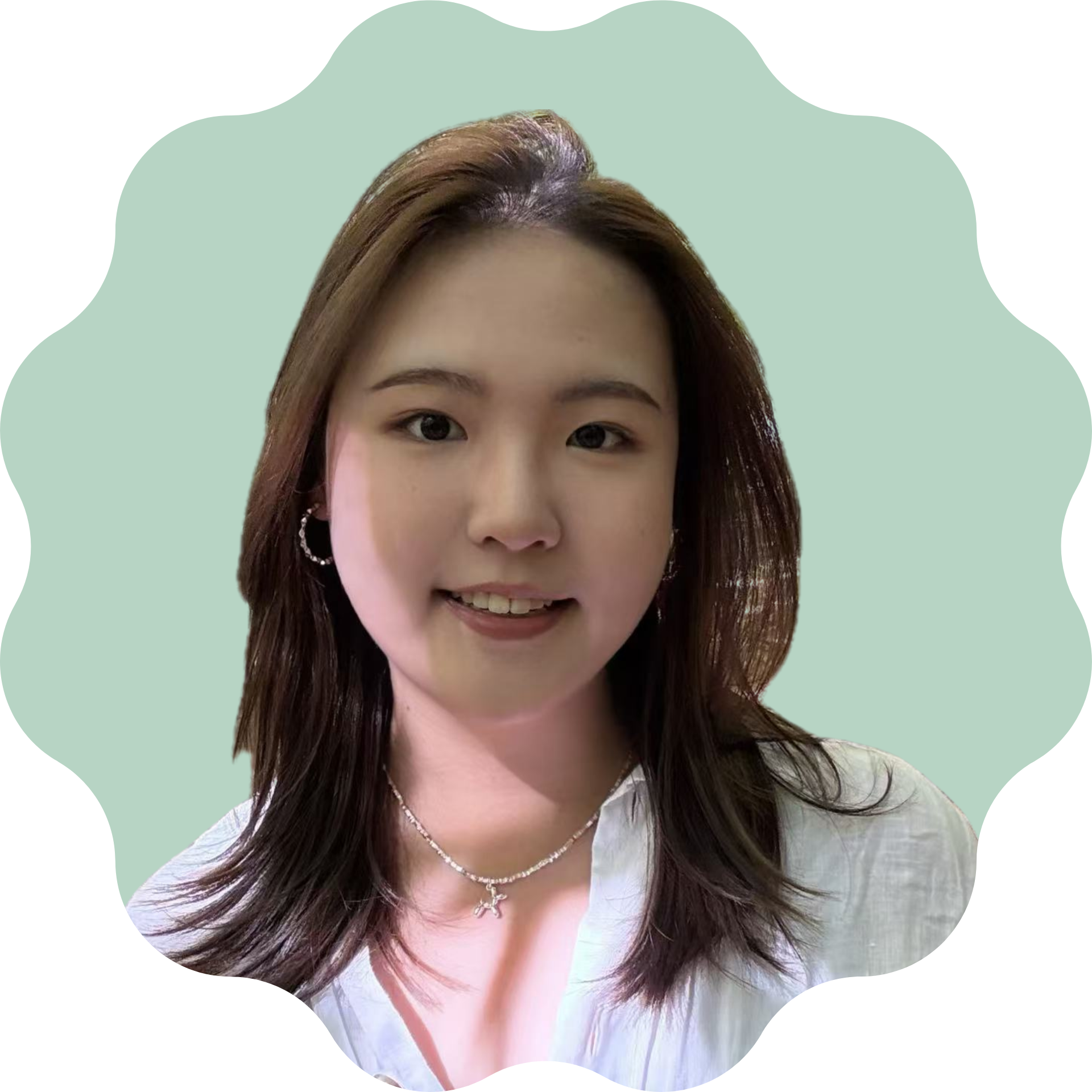
Zhiqian (Rita) Jiang, M,Sc.Nutrition PhD student, McGill University
Others
Thank you to all the people who were involved in the BETTER project.
- Mirna Azar, MD
- Isabel Fortier, PhD
- Elham Rahme, PhD
- Cynthia Turcotte, PhD
- Simon Bacon, PhD
- Claudia Blais, PhD
- Geneviève Boulet, MD
- Philippe Caron, MD
- Émilie D’Aoust, MD
- Jean-Pierre Després, PhD
- Marie-Josée Dupuis, MD
- Thierry Gaudet Savard, Kinesiologist
- Antony Karelis, PhD
- Josée Leroux-Stewart, MD
- Maude Millette, MD
- Daria O’Reilly, PhD
- Michael Riddell, PhD
- Diane Rottembourg, MD
- John Weisnagel, MD
- Ana Teresa de Luna Pallone
- Katherine Desjardins, RD, MSc
- Delphine Bouchard, Clinical Nurse
- Jordana Singer, BSc
- Nathalie Kinnard, scientific writer and research assistant
Patient-Partners:
- Samuel Abramson
- Émilie Curry
- Manon Lalonde
- Nouha Karabibene
- Patricia Kearns
- Annie Lajoie
- Fati Merah
- Eloïse Perrier
- Frédéric F. Perron
- Melinda Prévost
- Monia Rekik
- Micheal Wright
- Sonia Fontaine
- Laurence Secours
- Alec Courchesne
- Ayush Chadha
- Kaitlin McBride
Students:
- Meryem Talbo, RD, MSc (candidate)
- Asmaa Housni, RD
- Ran Cheng, MD
- Lee Hill, PhD
- Marie-Laure Lalanne-Mistrih, MD, PhD
- Houssein Madar, PhD
- Li Feng Xie, RD, MSc
- Maha Lebbar, MD
- Alexandra Katz, MD
- Élisabeth Nguyen, RD, MSc, BSc
- Kayla Wong, RD
- Capucine Guédet
And all the reviewers of the content for the Type 1 Diabetes self-training platform Support